Photo via Fortune
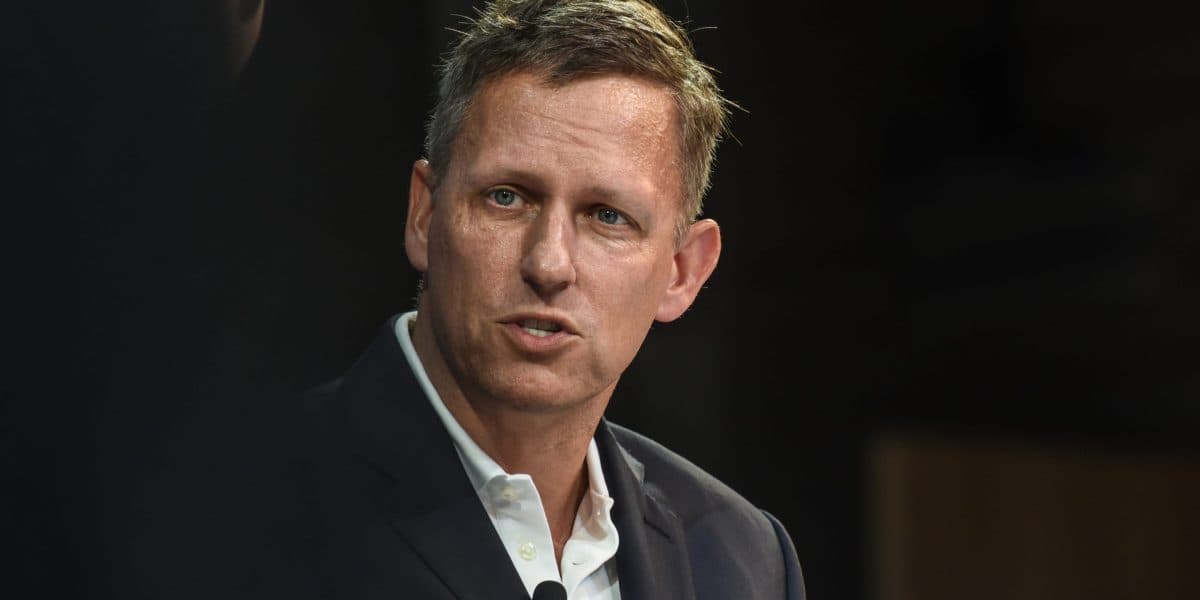
Billionaire venture capitalist Peter Thiel has decided to forgo funding any presidential candidates in the 2024 election cycle, marking a notable departure from his historically active role in political spending. According to Fortune, Thiel's decision reflects a reassessment of campaign finance strategy among major donors who have traditionally viewed political contributions as essential to influencing outcomes.
The shift in Thiel's approach carries implications for Atlanta's venture and startup ecosystem, where venture capital leaders often take cues from prominent national figures in the technology and finance sectors. His reasoning—that additional millions of dollars have limited impact on voter persuasion—challenges conventional wisdom that has long driven aggressive political spending by wealthy entrepreneurs and investors.
For Atlanta-area business leaders and investors who follow national trends in venture funding and political engagement, Thiel's stance suggests a broader recalibration among the ultra-wealthy. The decision reflects questions about return on investment in campaign spending, a concept familiar to the business community but increasingly applied to political rather than commercial ventures.
As campaign finance debates continue and major donors reassess their strategies, Thiel's move may signal the beginning of a broader conversation among venture capitalists about the effectiveness and necessity of direct presidential candidate funding. Atlanta's growing tech and investment community will likely monitor whether this represents a temporary pause or a longer-term shift in how capital influences politics.