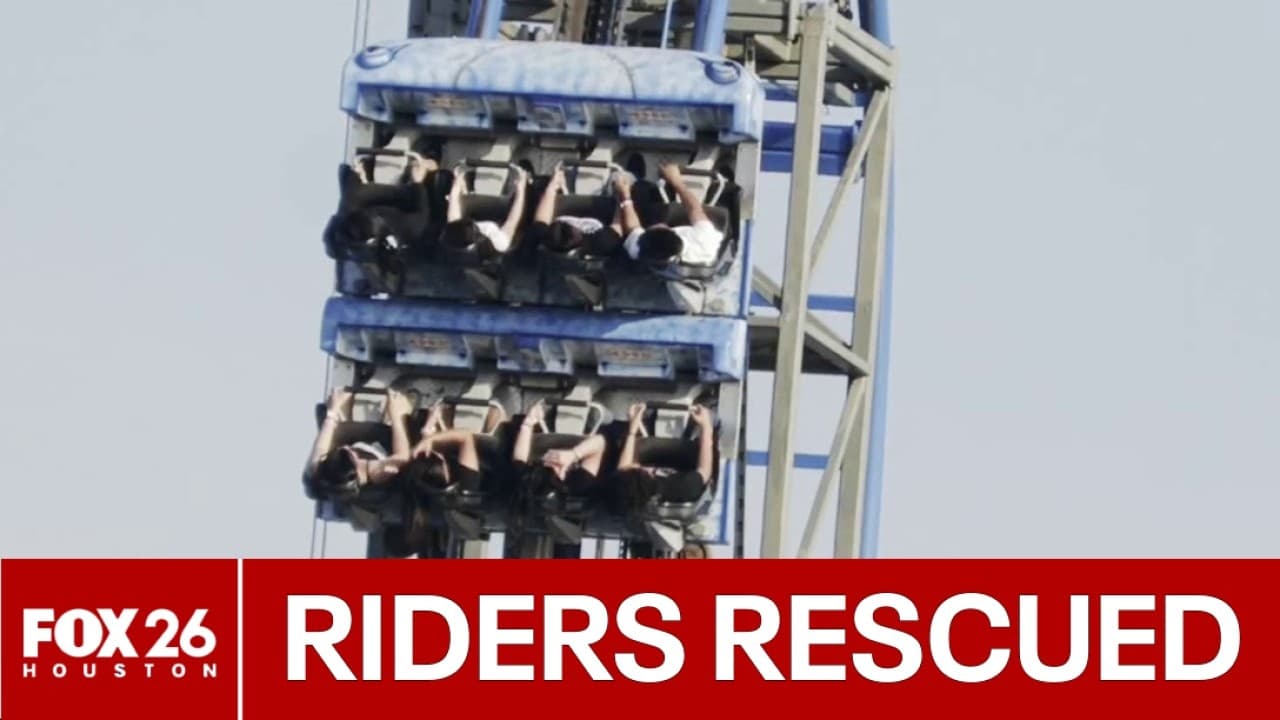
Photo via Fox5 Atlanta
According to Fox5 Atlanta, passengers aboard the Iron Shark roller coaster at Galveston's Pleasure Pier experienced an extended shutdown, with some riders stranded for more than three hours before emergency rescue operations concluded successfully. The incident raises important questions about operational protocols and emergency preparedness at major entertainment destinations.
Georgia's tourism and entertainment industry generates billions in annual revenue, with attractions ranging from theme parks to regional entertainment venues. While this particular incident occurred in Texas, it serves as a case study for local operators evaluating their safety infrastructure and emergency response procedures.
Theme park operators must balance guest experience with rigorous maintenance schedules and safety protocols. Industry experts emphasize that mechanical failures, while rare at major facilities, require comprehensive emergency plans and trained personnel capable of responding quickly and effectively to minimize guest inconvenience and ensure passenger safety.
For Atlanta-area attractions and hospitality businesses, this incident underscores the importance of investment in preventive maintenance, staff training, and transparent communication during operational disruptions. As the regional entertainment sector continues to compete for tourism dollars, demonstrating strong safety records and effective crisis management becomes increasingly critical to maintaining consumer confidence.