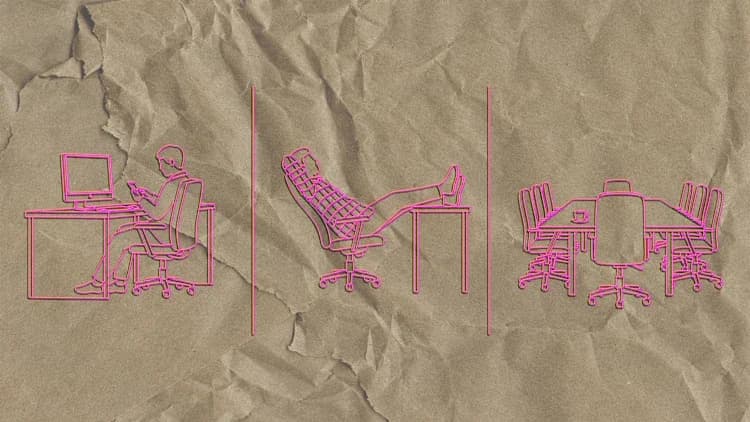
Photo via Inc.
According to reporting in Inc. magazine, a new workplace phenomenon called 'soft off days' is gaining traction among remote and hybrid workers across the country. The practice involves employees conducting personal errands, traveling, or engaging in leisure activities—like playing tennis or running household chores—while technically remaining on the clock and available for work. For Atlanta companies managing distributed teams, this trend highlights a broader tension in modern employment.
The emergence of soft off days signals that traditional work-life balance remains elusive for many professionals, despite the flexibility that remote work promised. Workers who adopt this approach often justify it by noting their employers' expectations of constant availability and the difficulty of maintaining clear boundaries between professional and personal time. One worker quoted in the Inc. article described successfully managing time zones without colleagues realizing the deception, underscoring how invisible this behavior can be in virtual work environments.
For Atlanta-based businesses and HR leaders, the soft off days trend raises important questions about trust, accountability, and company culture. Rather than viewing this as pure misconduct, some workplace experts suggest it reflects deeper issues: unrealistic workloads, unclear expectations about availability, and inadequate paid time off policies. Companies that address these root causes may find employees less inclined to blur boundaries in the first place.
As Atlanta's business community continues to refine hybrid and remote work policies, employers should consider establishing clearer guidelines around work hours, availability expectations, and time-off policies. Creating space for actual breaks and personal time—rather than expecting employees to manage both simultaneously—may prove more effective than attempting to monitor or prevent soft off days altogether.