Photo via Inc.
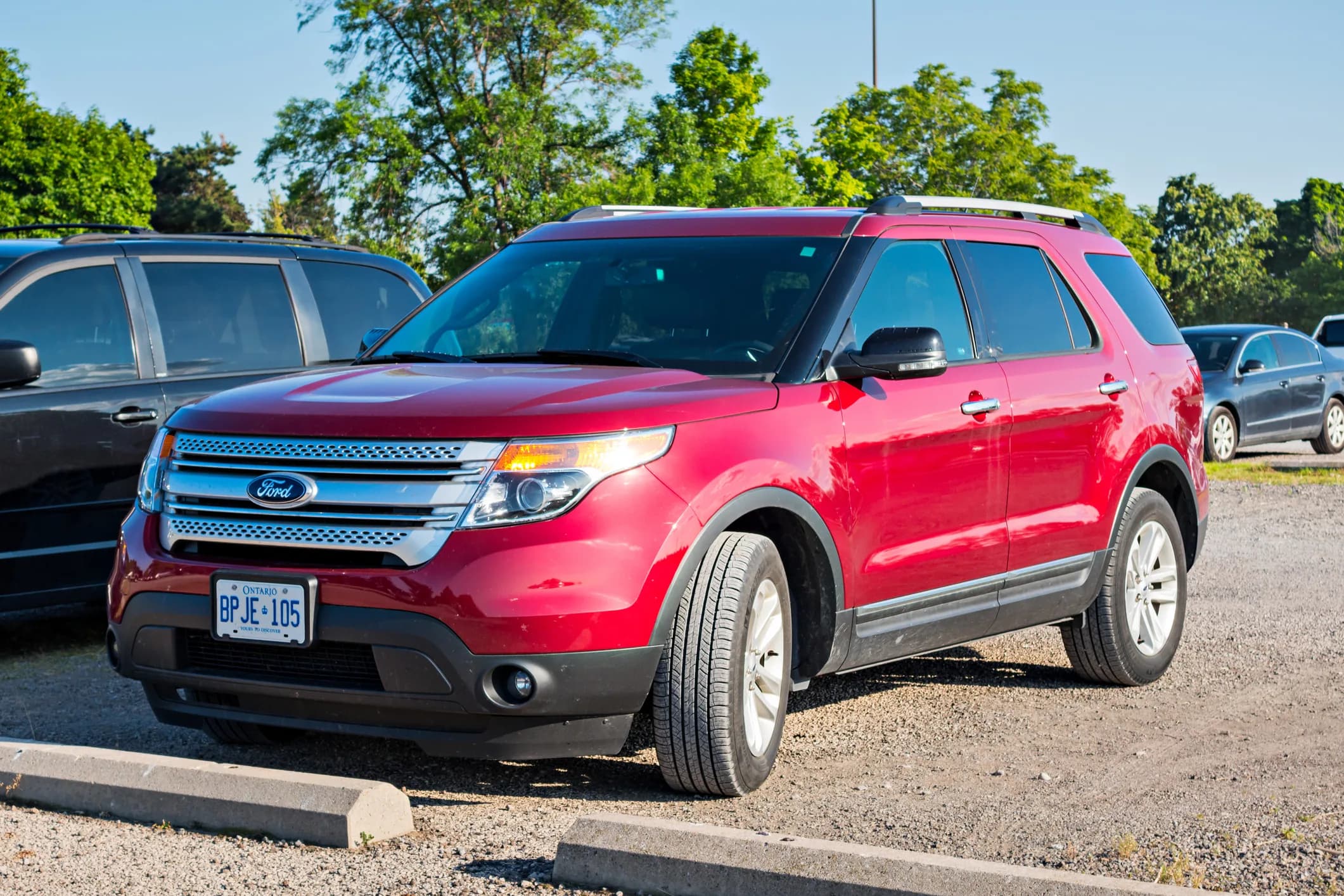
The days of trading in your vehicle every few years have faded into automotive history. According to Inc., keeping a car well into its second decade is becoming increasingly common, reflecting broader economic shifts in how Americans approach major purchases. For Atlanta-area residents facing Georgia's competitive new car market and rising financing costs, this trend represents both a practical and financial strategy.
Several factors are driving this shift toward vehicle longevity. Rising new car prices, elevated interest rates, and improved manufacturing quality mean older vehicles are more reliable and economical to maintain than ever before. Atlanta's growing traffic and longer commutes have also made consumers more hesitant to invest in new purchases, instead directing resources toward keeping existing vehicles in working condition.
Local automotive service centers and repair shops are capitalizing on this trend, with extended maintenance and restoration services becoming core revenue drivers. For Atlanta businesses managing fleet vehicles, the extended ownership model offers predictability in capital expenditure planning, allowing companies to stretch budgets further in an uncertain economic environment.
This shift carries implications for Atlanta's retail landscape and the automotive industry regionally. With fewer new car sales driving dealership traffic, Atlanta dealers are pivoting toward service departments and used vehicle inventories. For consumers, the lesson is clear: today's economic environment rewards patience and smart maintenance over the constant pursuit of new.