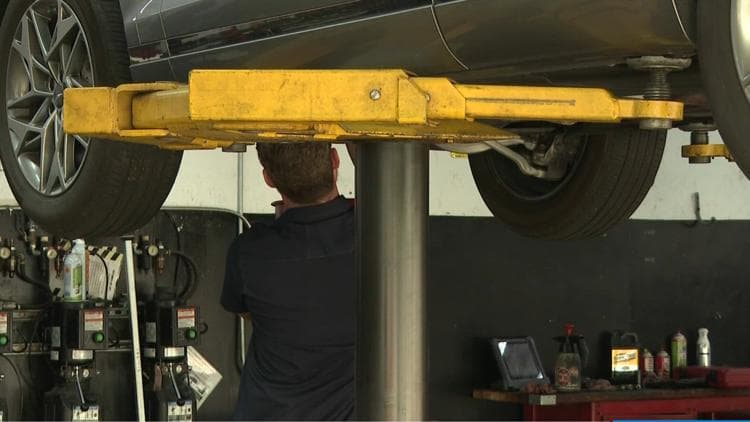
Photo via 11Alive Atlanta
According to 11Alive Atlanta, a reporter's decision to postpone repairs on a faulty tire sensor resulted in his wife experiencing a flat tire—an avoidable disruption that sparked reflection on workplace accountability. For Atlanta-area business leaders and fleet managers, the incident underscores a broader principle: deferred maintenance costs more than its price tag. When equipment failures go unaddressed, they ripple outward, affecting not just the responsible party but employees, customers, and operations.
In logistics, transportation, and service-based industries that drive Atlanta's economy, vehicle reliability directly impacts client satisfaction and revenue. A single breakdown can compromise delivery schedules, strand field personnel, or damage a company's reputation. The tire sensor repair—a seemingly minor fix—represented a choice between short-term inconvenience and long-term reliability. Businesses across the region, from delivery services to corporate fleets, face similar trade-offs daily.
The broader lesson applies beyond automobiles: preventive maintenance culture, whether in vehicles, facilities, or technology systems, reflects organizational maturity. Atlanta companies that prioritize proactive upkeep—scheduling service before failure—build operational resilience, reduce emergency costs, and demonstrate respect for the people who depend on their infrastructure. It's a principle worth integrating into business practices.