Photo via Fortune
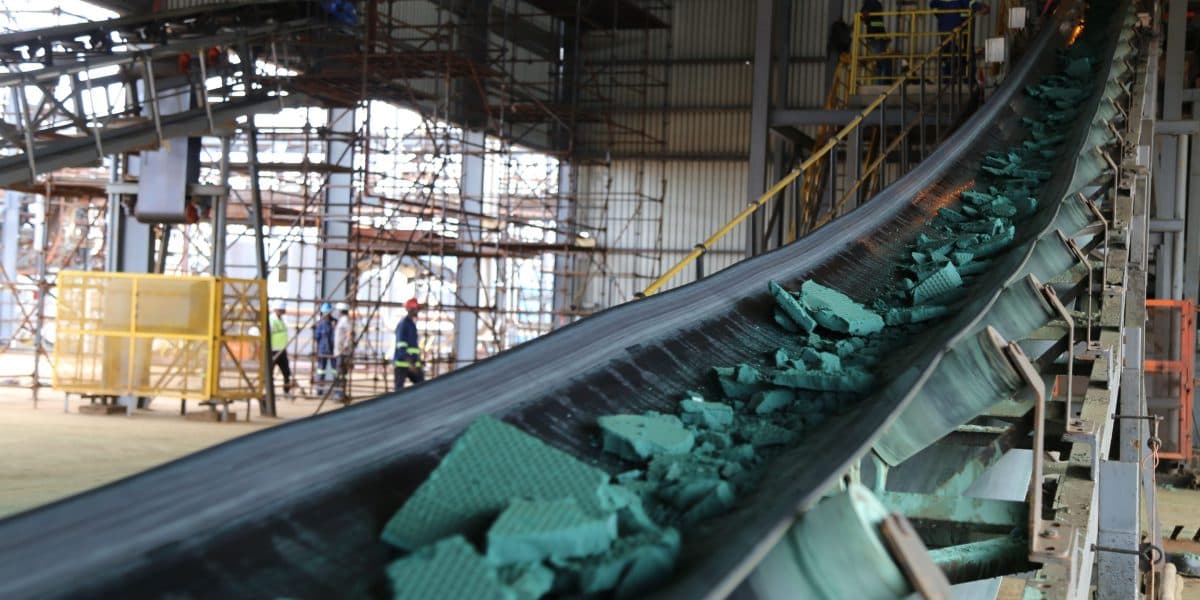
Atlanta's booming artificial intelligence and technology sectors are experiencing unprecedented growth, but a new UN report raises uncomfortable questions about the human cost embedded in this expansion. According to UN researchers cited by Fortune, the global AI boom depends heavily on critical mineral extraction and processing conducted in some of the world's poorest regions, often under exploitative labor conditions. For Atlanta's tech companies and investors betting on AI infrastructure, this research underscores an emerging business risk: supply chain transparency and ethical sourcing.
The contradiction is stark: cutting-edge AI systems that power everything from autonomous vehicles to data centers require rare earth elements and minerals sourced from countries with minimal labor protections. These supply chains remain largely opaque, allowing poor working conditions and meager wages to persist in the developing world. As Atlanta continues to attract tech talent and investment in artificial intelligence, local companies face mounting pressure from consumers, regulators, and employees to understand and address where their raw materials originate.
For Atlanta's established corporations and venture-backed startups, the implications are significant. Ethical sourcing is increasingly a competitive differentiator and regulatory requirement, not merely a moral consideration. Companies that can demonstrate responsible supply chain management may attract better talent, secure institutional investment more easily, and avoid future litigation or regulatory penalties. The disconnect between innovation and exploitation represents both a reputational risk and an opportunity for forward-thinking Atlanta firms to lead in sustainable technology development.
As the region positions itself as a technology hub competing with Silicon Valley and other innovation centers, stakeholders should consider how Atlanta's tech sector can pioneer more equitable AI development practices. This may include partnering with ethical sourcing initiatives, investing in supply chain transparency tools, and advocating for international labor standards—moves that could distinguish Atlanta companies as responsible AI leaders.