Photo via FreightWaves
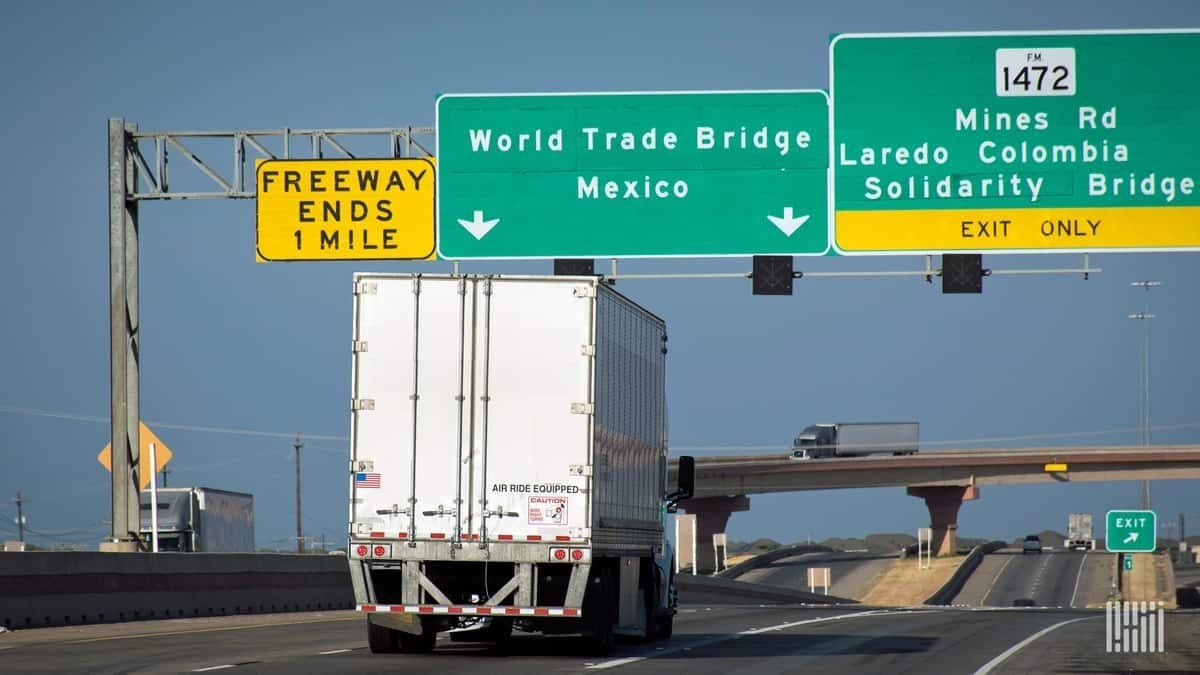
The Texas Supreme Court delivered a significant ruling on May 15, 2026, in a case involving major retailer Home Depot that could reshape how shippers approach liability in trucking accidents. According to FreightWaves, the court determined that shippers cannot automatically be held responsible for injuries or fatalities involving third-party carriers, even when the shipper contracted for the transportation services.
The case centered on a fatal motorcycle crash involving a Werner truck contracted to haul Home Depot cargo. The ruling establishes clearer boundaries between shipper accountability and carrier responsibility, potentially reducing exposure for large retailers and distributors that rely heavily on third-party logistics partners. This distinction matters significantly for Atlanta-area companies in retail, e-commerce, and distribution that frequently engage trucking services.
For Georgia businesses managing supply chains, the decision provides legal clarity on contractual relationships with carriers. Companies can better understand where liability begins and ends when outsourcing transportation, allowing them to structure contracts and insurance coverage more effectively. However, legal experts recommend reviewing existing carrier agreements to ensure compliance with the court's framework.
As supply chain litigation continues to evolve, Atlanta-based logistics firms and shippers should monitor how this Texas precedent influences similar cases in Georgia and across the Southeast. The ruling may reduce certain litigation costs for large operators while reinforcing the importance of carrier accountability and proper insurance coverage in transportation agreements.