Photo via FreightWaves
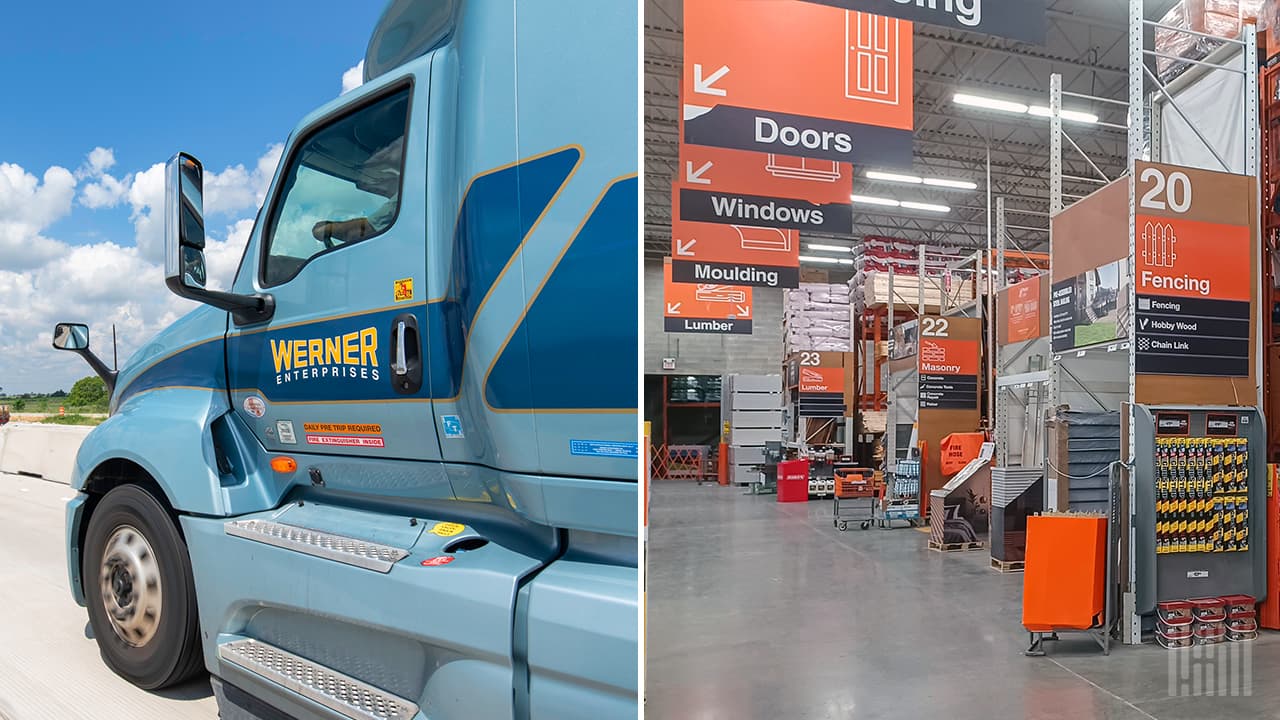
The Texas Supreme Court has issued a significant ruling that narrows shipper liability protections in freight disputes, according to FreightWaves. The decision in the Home Depot/Werner case has immediate implications for how major retailers and logistics providers structure their shipping agreements and manage legal exposure.
For Atlanta-based businesses and Southeast retailers who depend on complex supply chains, this ruling clarifies important boundaries around shipper responsibility. The decision suggests that shippers may face reduced liability in certain circumstances, which could affect how companies negotiate freight contracts and insurance coverage.
The case highlights ongoing tensions in the logistics industry over who bears responsibility when shipments go wrong. As e-commerce and omnichannel retail continue to drive demand for efficient distribution networks, clarity on liability becomes increasingly important for Georgia's growing retail and logistics sectors.
Industry observers expect this decision to influence how other states approach shipper liability questions. For Atlanta-area companies managing transportation operations, understanding these legal developments is critical for protecting operations and managing costs in an already complex regulatory environment.