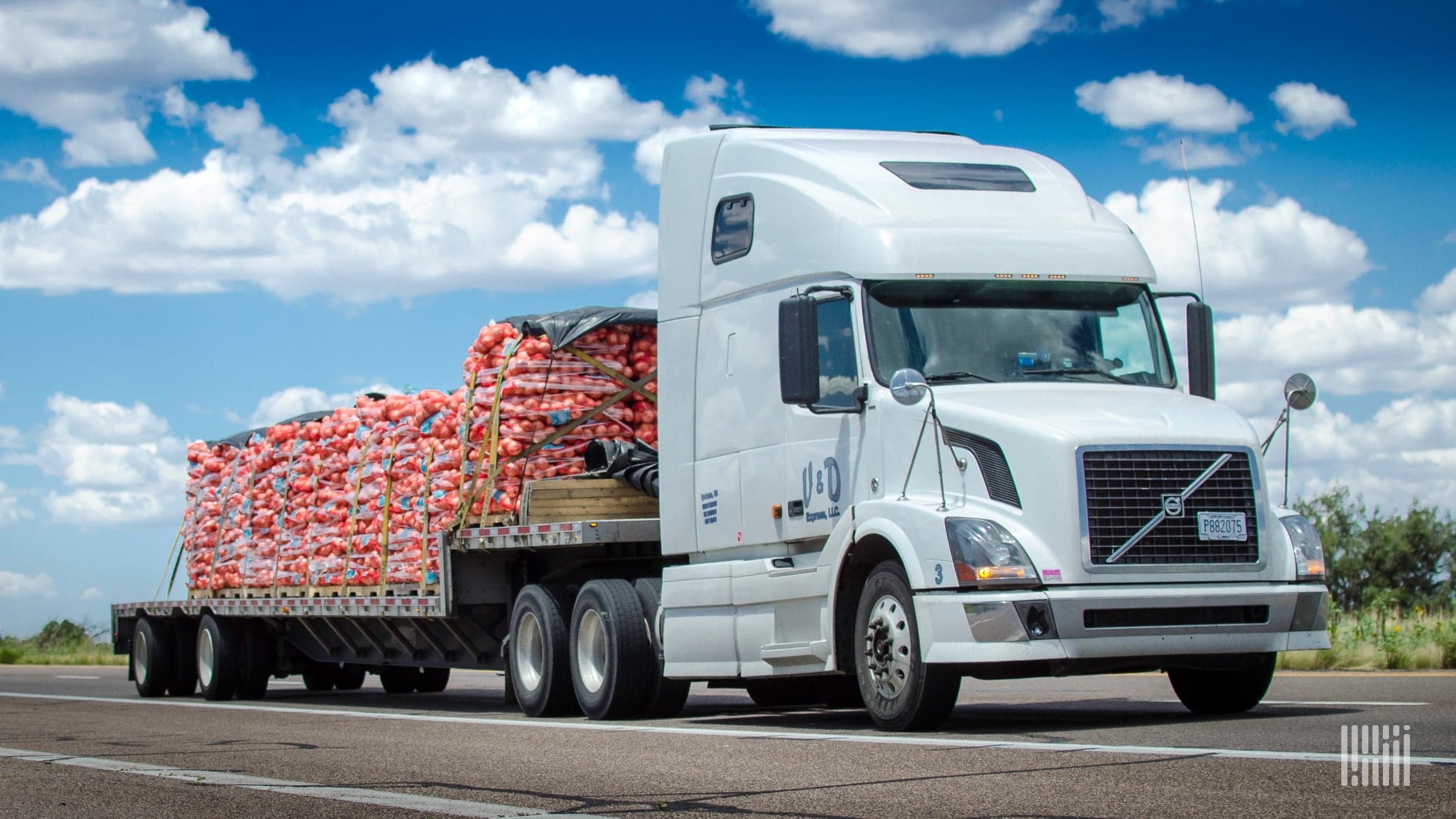
Photo via FreightWaves
Texas has reversed a previous restriction on commercial driver licenses (CDLs) for non-domiciled temporary farm workers, according to FreightWaves. The state now permits the issuance of CDL licenses to legally authorized foreign workers, a policy adjustment that addresses ongoing staffing challenges in the transportation and agricultural sectors across the region.
For Atlanta-area logistics companies and agricultural operations, this Texas policy shift carries implications beyond state lines. The Southeast's agriculture and transportation industries face similar driver shortages, making policy changes in neighboring and peer states particularly relevant to regional hiring and workforce planning strategies.
The decision to resume CDL licensing for temporary workers signals a pragmatic approach to labor availability. By opening pathways for legally authorized foreign workers to obtain commercial licenses, states can help stabilize workforce supply chains that have been strained by demographic shifts and competing labor demands across multiple industries.
Atlanta businesses operating in logistics, agriculture, and transportation should monitor how this Texas policy develops and whether similar measures gain traction in Georgia and surrounding states. Such changes could reshape regional recruitment strategies and operational planning for companies dependent on commercial driver availability.