Photo via Inc.
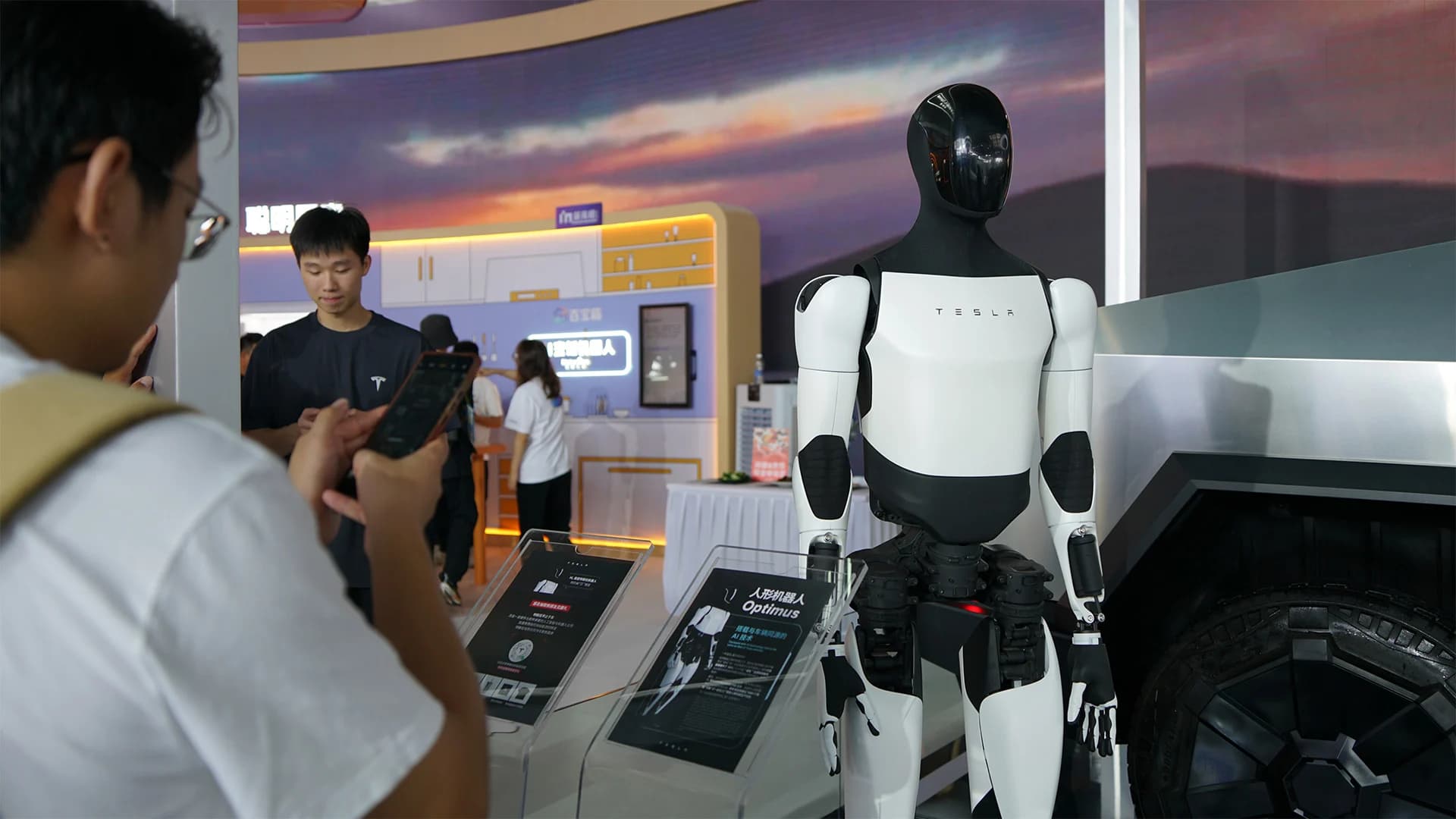
Elon Musk has announced an accelerated timeline for Tesla's Optimus humanoid robot, signaling that the technology could begin operating beyond Tesla's own factories within the next year. This development comes as manufacturers across the Southeast increasingly explore automation solutions to address labor shortages and improve operational efficiency. For Atlanta-area business leaders in manufacturing, logistics, and warehousing, the commercial availability of advanced robotics could reshape workforce planning and capital investment strategies.
The Optimus robot represents a significant step forward in general-purpose automation. Unlike robots designed for single, repetitive tasks, Tesla's offering is intended to perform a broader range of functions across different industrial settings. According to reports on Musk's announcement, the robot could eventually be deployed in customer facilities for manufacturing, assembly, and materials handling—all sectors with significant operations throughout Georgia.
Georgia's logistics and manufacturing industries, anchored by major companies and distribution hubs, face persistent challenges in finding skilled workers for repetitive tasks. The introduction of commercially available humanoid robots could provide employers with alternatives to address these gaps, though it will likely require upfront investment and workforce transition planning. Early adopters may gain competitive advantages in efficiency and cost management.
For Atlanta business decision-makers, Tesla's timeline warrants attention to several considerations: the actual capabilities and limitations of early-generation robots, integration costs, regulatory questions around workplace safety, and the talent implications for their operations. Companies interested in automation should monitor Optimus developments closely and begin evaluating how such technology might fit into their strategic roadmaps over the next 18 to 24 months.