Photo via Inc.
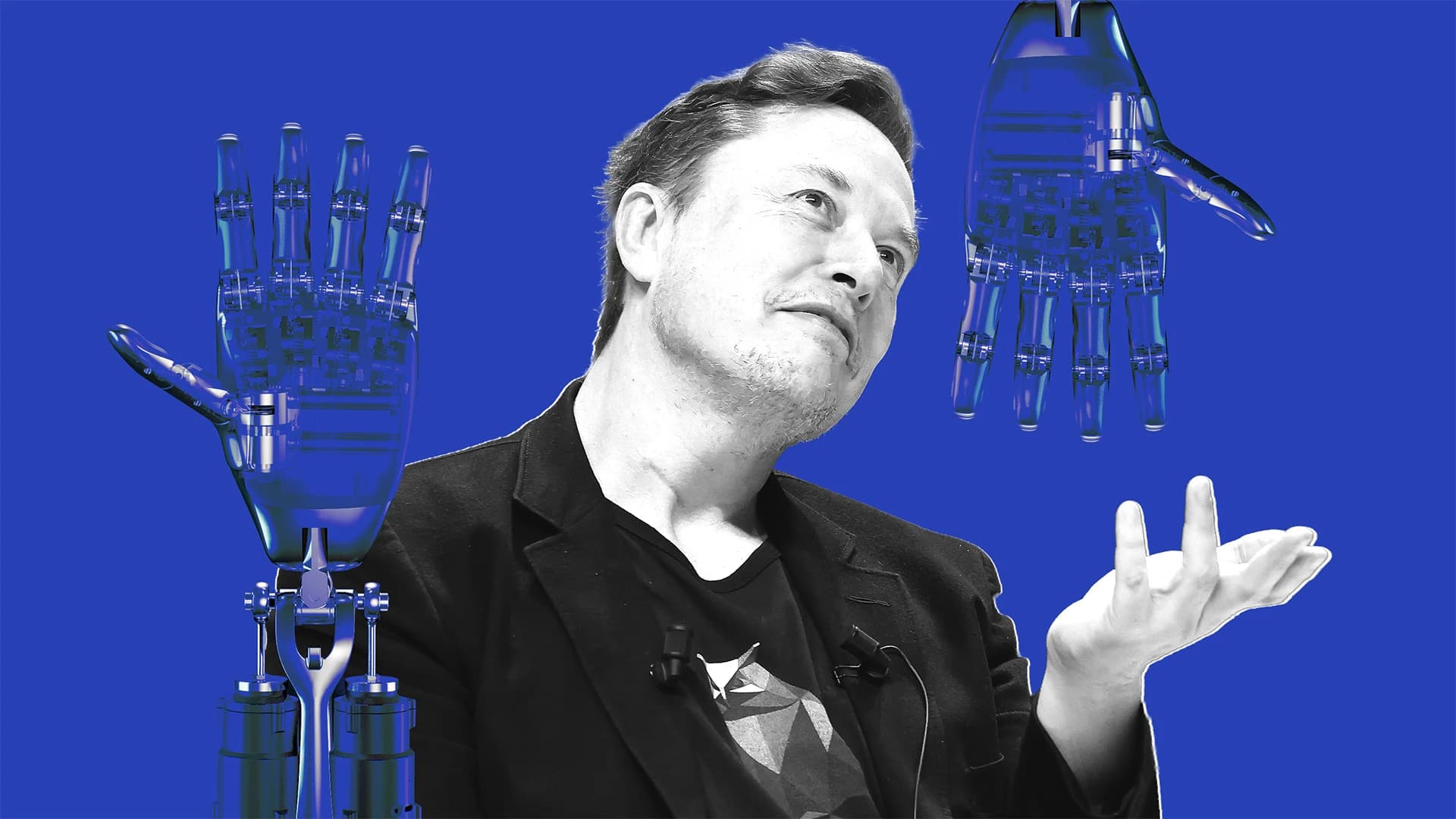
Tesla has made a significant but largely unannounced $2 billion investment in artificial intelligence hardware, according to reporting from Inc. magazine. The company disclosed the substantial commitment through a regulatory filing rather than a public announcement, suggesting a deliberate low-profile approach to what appears to be a major strategic pivot in the company's technology roadmap.
The lack of transparency around the deal's specifics—including details about what hardware will be developed, which partners may be involved, or how it will be deployed—reflects a broader trend among technology companies to move quickly in the competitive AI space without tipping their hand to competitors. For Atlanta-area tech firms and venture investors, Tesla's move signals that specialized AI hardware development has become a critical battleground alongside software innovation.
This investment positions Tesla alongside other major technology players racing to develop proprietary AI infrastructure. Rather than relying solely on existing chip manufacturers and cloud providers, companies are increasingly building custom hardware to gain competitive advantages and reduce dependency on third-party solutions. The strategy mirrors broader industry consolidation around vertically integrated technology ecosystems.
As Atlanta continues to build its reputation as a growing technology hub, Tesla's significant capital commitment to AI hardware development serves as a reminder of the scale required to compete in advanced technology sectors. For local businesses, investors, and entrepreneurs tracking technology trends, the move underscores the importance of understanding how major corporations are positioning themselves for the AI-driven economy ahead.