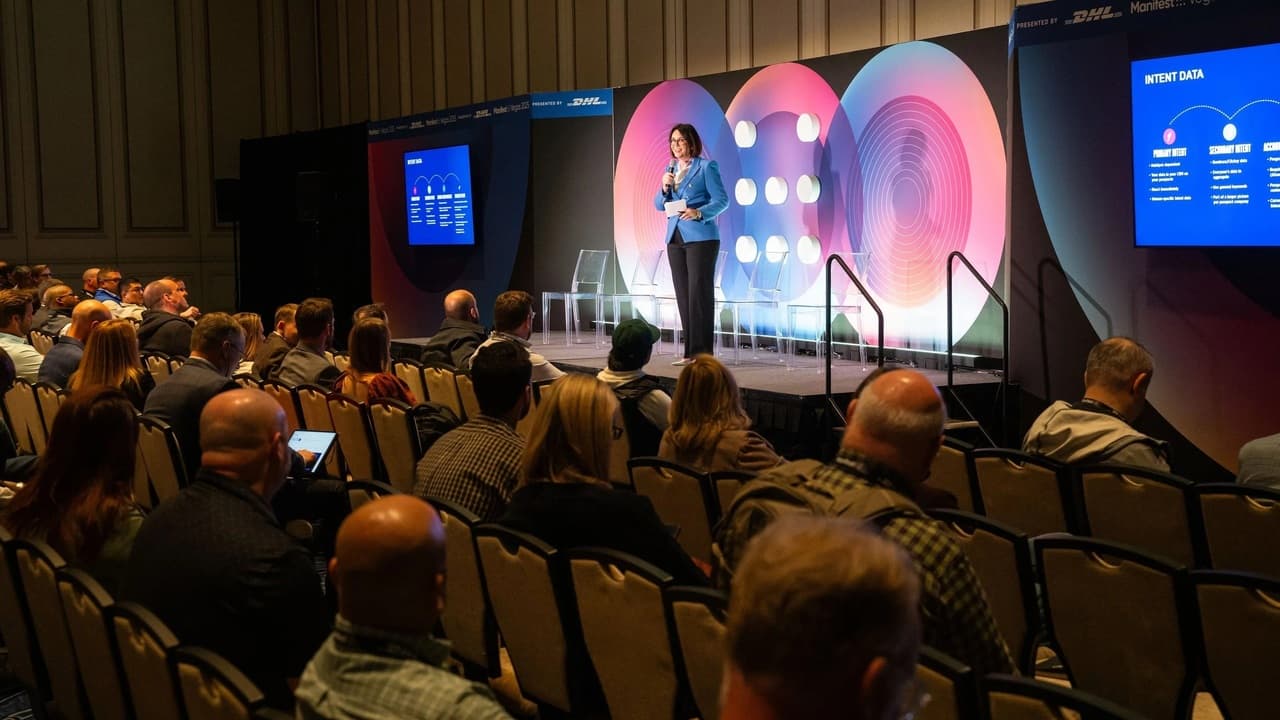
Photo via Inc.
Many Atlanta-area organizations invest heavily in enterprise technology solutions, yet fail to maximize their return on investment. According to Inc., a significant portion of employee time is consumed bridging gaps between disparate systems rather than focusing on high-value work. This disconnect reveals a fundamental problem: technology implementations often create silos instead of seamless workflows.
For Atlanta's growing tech and finance sectors, this fragmentation carries particular weight. When professionals spend hours translating data between platforms or manually syncing information across systems, they're not contributing to strategic initiatives, product development, or client relationships. The cumulative cost of this inefficiency compounds quickly across teams and departments, directly impacting bottom-line profitability.
The distinction between outputs and outcomes matters critically here. A system may generate reports and process transactions—outputs—but if those results require additional human interpretation or manual transfer to drive actual business results, you're not achieving true outcomes. Organizations must evaluate whether their technology architecture actually supports their stated business objectives or merely creates busywork.
Atlanta business leaders should audit their current technology ecosystem to identify integration bottlenecks. By consolidating platforms, implementing APIs, or adopting unified systems, companies can reclaim wasted employee hours and redirect skilled talent toward work that genuinely moves the business forward. This strategic approach to technology ROI increasingly separates thriving Atlanta firms from their competitors.