Photo via FreightWaves
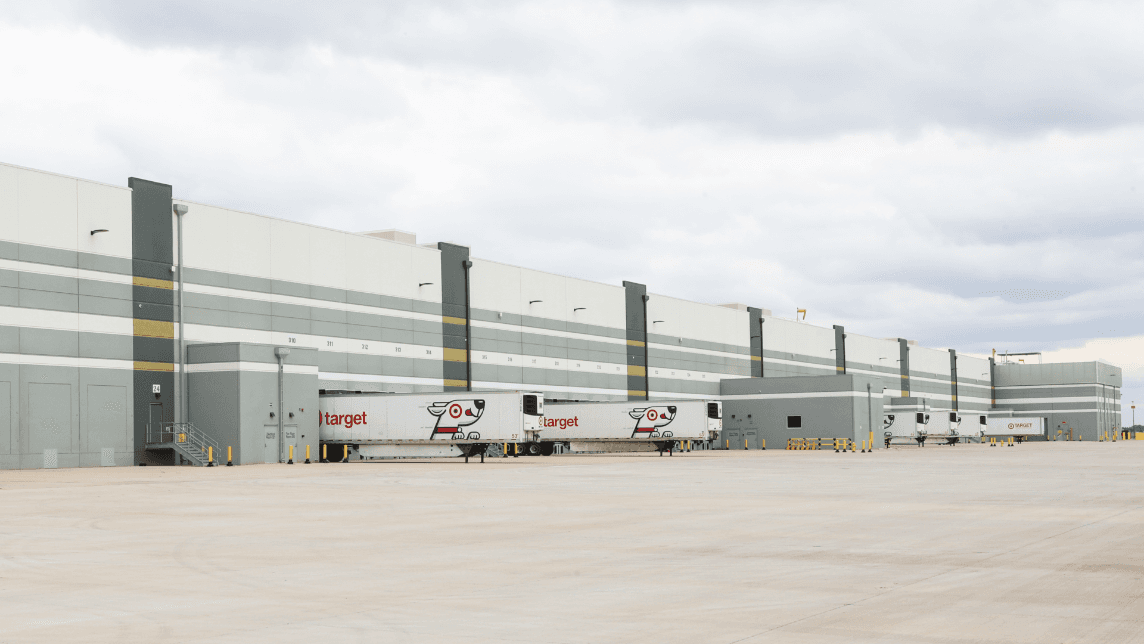
Target is making a significant capital investment in its food supply infrastructure with the opening of a new $367 million distribution center in Colorado. The facility represents the retailer's commitment to strengthening its perishable goods logistics network and expanding the breadth of food offerings available to customers across its store locations.
According to FreightWaves, the strategic infrastructure investment underscores how major retailers are modernizing their supply chains to meet evolving consumer demand for fresh and specialty food products. This move positions Target to enhance its competitive position in the grocery and food retail segment, a category that has become increasingly important to big-box retailers seeking to capture additional wallet share.
For Atlanta-area businesses and logistics providers, Target's expansion serves as a bellwether for how national retailers are approaching distribution network optimization. The investment signals that companies are willing to deploy substantial capital in infrastructure to ensure efficient, reliable delivery of perishable products—a trend that could create opportunities for regional supply chain partners and logistics firms.
As retailers continue to evolve their fulfillment capabilities and product assortments, distribution center investments like Target's are likely to influence broader conversations about warehouse automation, transportation efficiency, and food safety protocols across the Southeast's retail and logistics sectors.