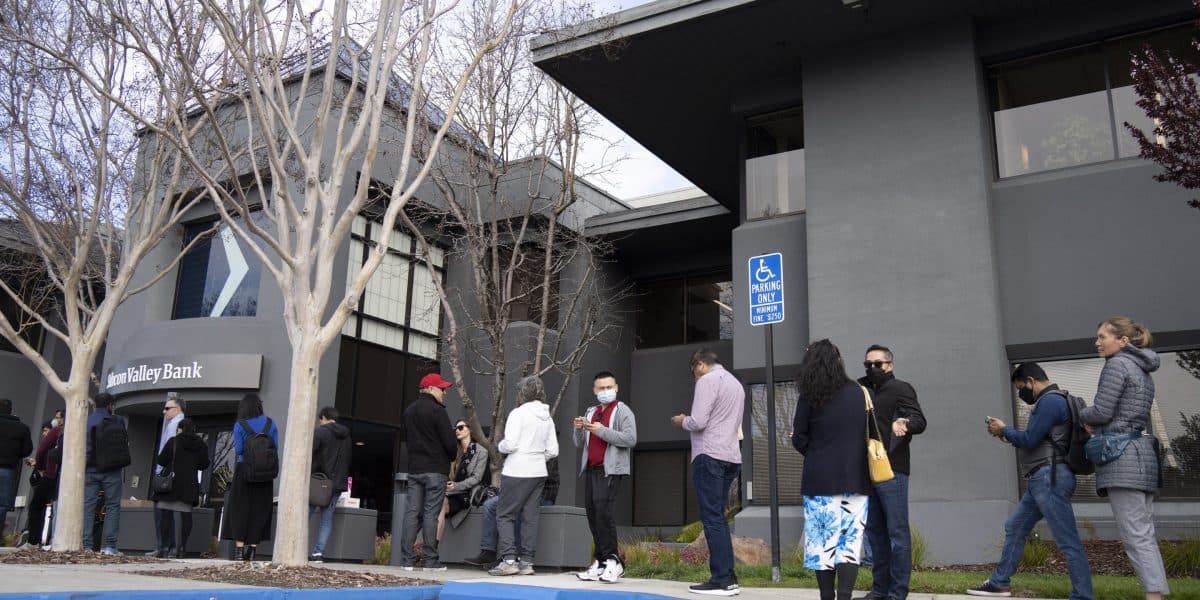
Photo via Fortune
SVB Capital, the venture capital arm of the now-defunct Silicon Valley Bank, has found itself in an unusual legal predicament following the bank's spectacular failure. According to Fortune's analysis of bankruptcy filings, the unit's 110 employees remain in an uncertain holding pattern as courts and stakeholders determine the fund's future. This situation underscores the interconnected risks within venture capital financing that can affect startups and investors across the country, including those in Atlanta's growing tech sector.
The bankruptcy documents reveal a complex web of competing interests and unclear obligations that have left SVB Capital's operations suspended. The venture capital unit, which had been making investments and managing multiple funds, now faces questions about whether it can continue operating, how investments will be managed, and what happens to employees caught in the middle. For Atlanta-based startups that may have had exposure to SVB Capital as investors or through portfolio company connections, this situation highlights the importance of understanding the financial stability of venture capital partners.
The broader implications of SVB Capital's troubles extend beyond just the immediate employees and investors involved. The collapse represents a rare but significant failure in the venture capital infrastructure that has traditionally been seen as stable. Atlanta's thriving startup community, which has attracted major venture investment in recent years, should recognize this as a cautionary tale about due diligence when selecting venture partners and understanding the financial health of institutions backing their growth.
As the bankruptcy process unfolds, stakeholders will closely watch how courts handle the competing claims and what precedent this sets for other venture capital entities. For Atlanta entrepreneurs and investors, this case serves as a reminder that even established venture capital institutions can face unexpected challenges, and diversifying funding sources while maintaining financial oversight remains critical to long-term success in today's volatile market.