Photo via Fox5 Atlanta
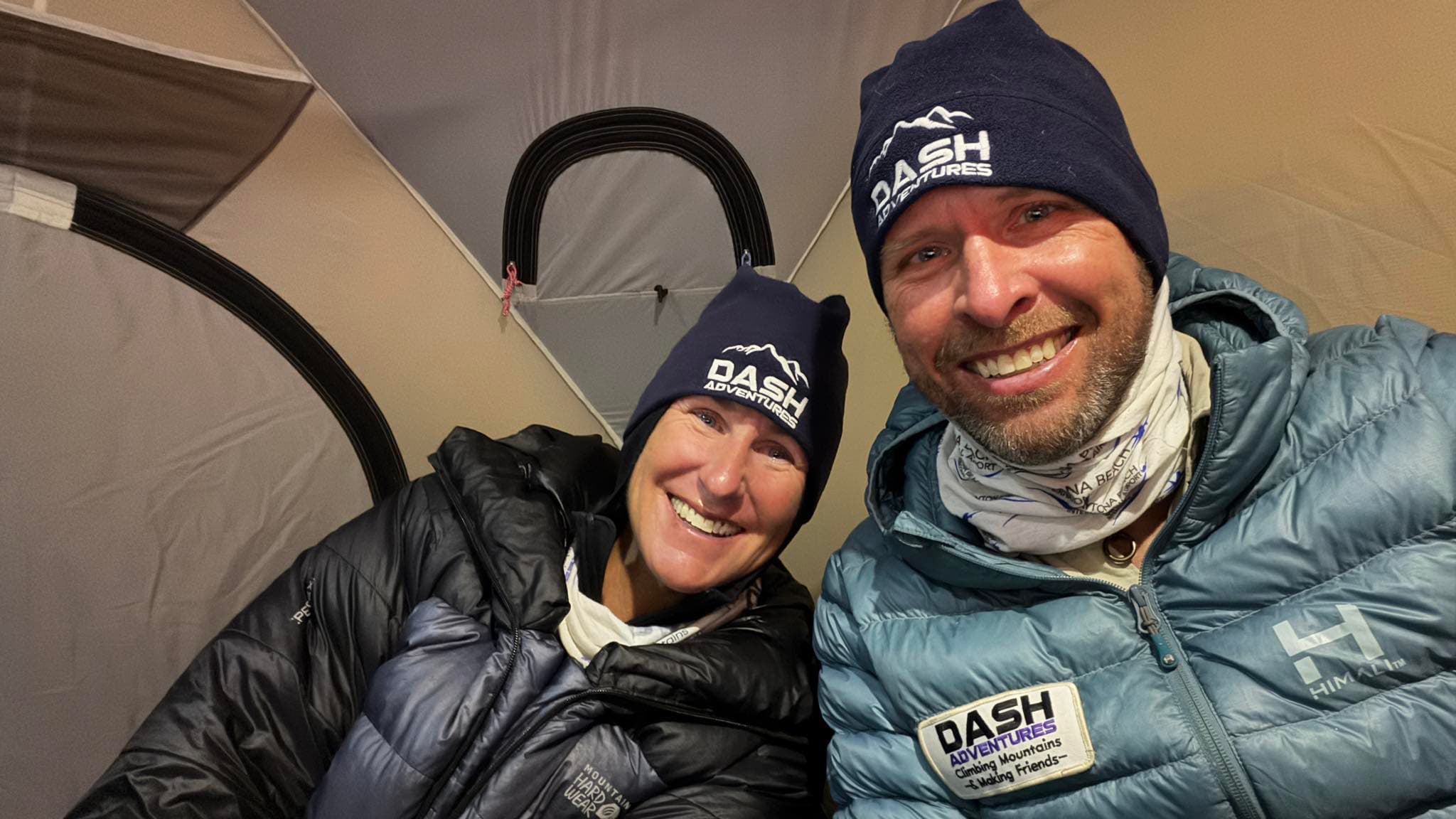
According to Fox5 Atlanta, a Utah mountaineer recently survived one of nature's most dangerous situations—a catastrophic avalanche on Nepal's Makalu peak that claimed the life of a climbing partner. The incident underscores the unpredictable risks inherent in extreme environments, whether on a mountainside or in boardrooms where high-stakes decisions demand mental fortitude and quick thinking.
The climber's recovery from severe frostbite following the avalanche demonstrates the physical and psychological toll of survival situations. For Atlanta-area business professionals, this real-world crisis illustrates principles of crisis management: how individuals respond when facing loss, adapt to unexpected challenges, and persevere through trauma. The emotional weight of such experiences—losing a partner in dangerous circumstances—tests human capacity in ways corporate scenarios rarely demand.
Adventure tourism and mountaineering represent a significant global industry, with implications for travel, insurance, and hospitality sectors. Atlanta's growing corporate wellness and executive retreat markets have increasingly incorporated adventure-based team-building experiences, making understanding safety protocols and risk management in these environments increasingly relevant to local business operators and risk managers.
The survivor's account of such an intense experience raises important questions about preparation, safety standards, and the human factors that determine outcomes in high-risk situations. Business leaders can extract valuable lessons about organizational resilience, emergency preparedness, and the importance of protocols that protect people when circumstances exceed expectations.