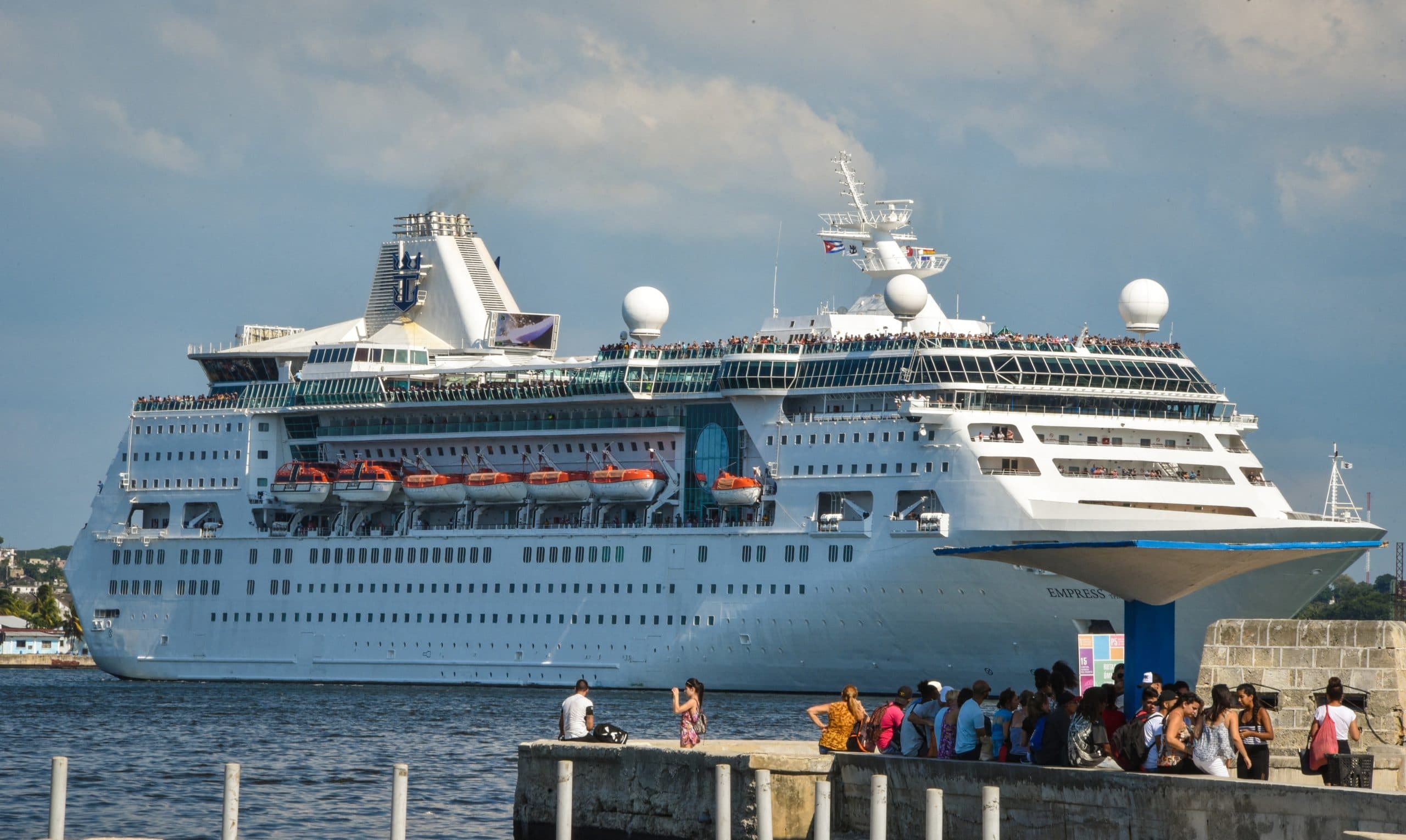
Photo via Fox5 Atlanta
In a significant legal development with broad implications for corporate accountability, the Supreme Court has ruled against four major cruise lines in a case centered on property confiscated during the Cuban revolution. According to Fox5 Atlanta, the decision could potentially expose these companies to approximately $440 million in damages, reviving litigation that had previously stalled.
The lawsuit centers on allegations that cruise operators have been profiting from real estate and other assets seized by Fidel Castro's communist government decades ago. Plaintiffs argue that by operating in facilities built on confiscated property, the companies have unlawfully benefited from the historical seizure. The Court's ruling essentially validates this legal theory and allows cases to proceed to trial.
For Atlanta-area business leaders and investors, this decision underscores the ongoing legal risks associated with international commerce in disputed territories. Companies operating globally must increasingly account for historical property claims and geopolitical sensitivities, particularly when doing business in jurisdictions with complex historical grievances.
The financial stakes are substantial: a $440 million aggregate liability represents a meaningful exposure for major hospitality operators. Industry observers expect this ruling could influence how companies evaluate partnerships, investments, and operational decisions in other regions where property rights remain contested or historically fraught.