Photo via FreightWaves
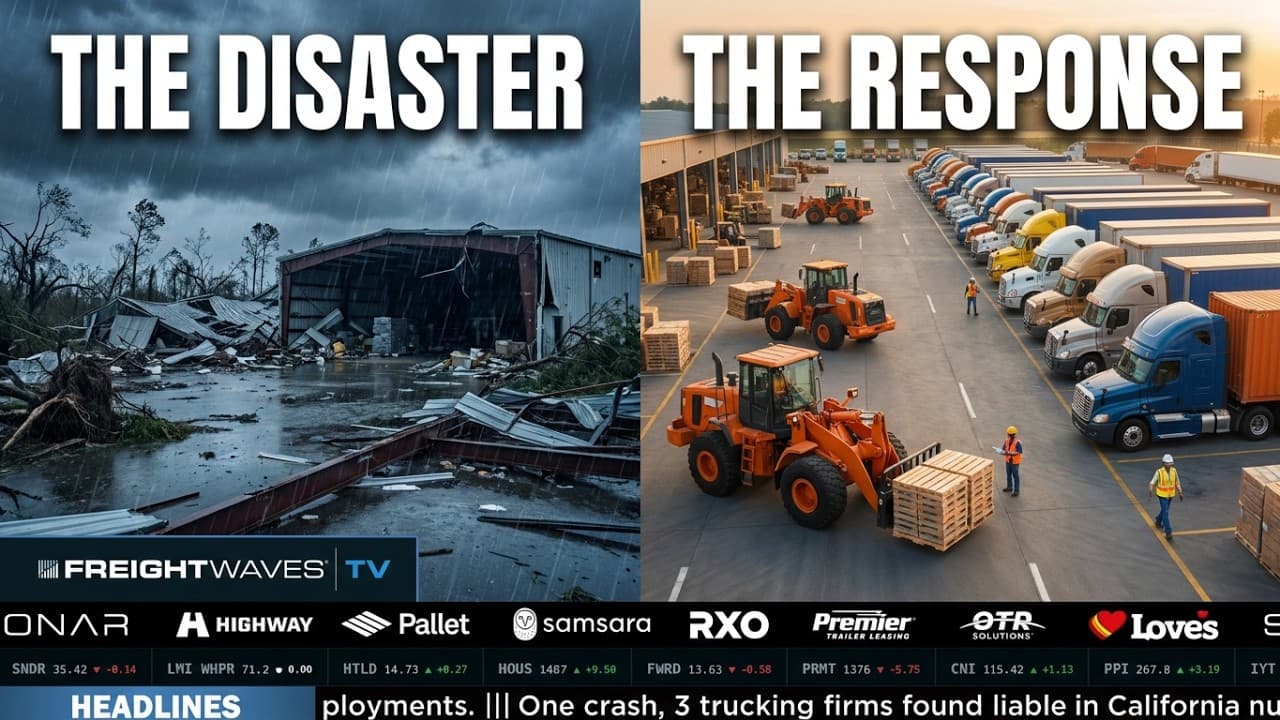
The logistics industry plays a pivotal role during natural disasters, particularly hurricane seasons, when the ability to coordinate swift and effective supply chain responses becomes essential. According to FreightWaves, supply chain professionals leverage enhanced visibility systems and strategic partnerships to ensure resources reach affected communities efficiently. Industry leaders emphasize that successful disaster response requires not only operational excellence but also a deep commitment to human capital and workforce development.
Michelle Livingstone, founder of M.D. Livingstone Consulting, has been instrumental in advancing supply chain management practices in crisis situations, drawing on her experience working within major retailers' emergency command centers. Her career trajectory underscores how the logistics sector mobilizes specialized expertise during critical periods, coordinating inventory distribution and resource allocation with precision. The intersection of improved supply chain visibility and human-centered leadership has emerged as a differentiator in how effectively the industry responds to widespread disruptions.
Beyond disaster response, industry advocates highlight that crisis management provides an opportunity to strengthen the broader supply chain sector. Enhanced partnerships between logistics providers, retailers, and emergency management agencies create lasting improvements in operational protocols. Additionally, the emphasis on empowering professionals—particularly women entering supply chain leadership roles—contributes to a more robust and innovative industry equipped to handle both immediate emergencies and long-term challenges.