Photo via Fortune
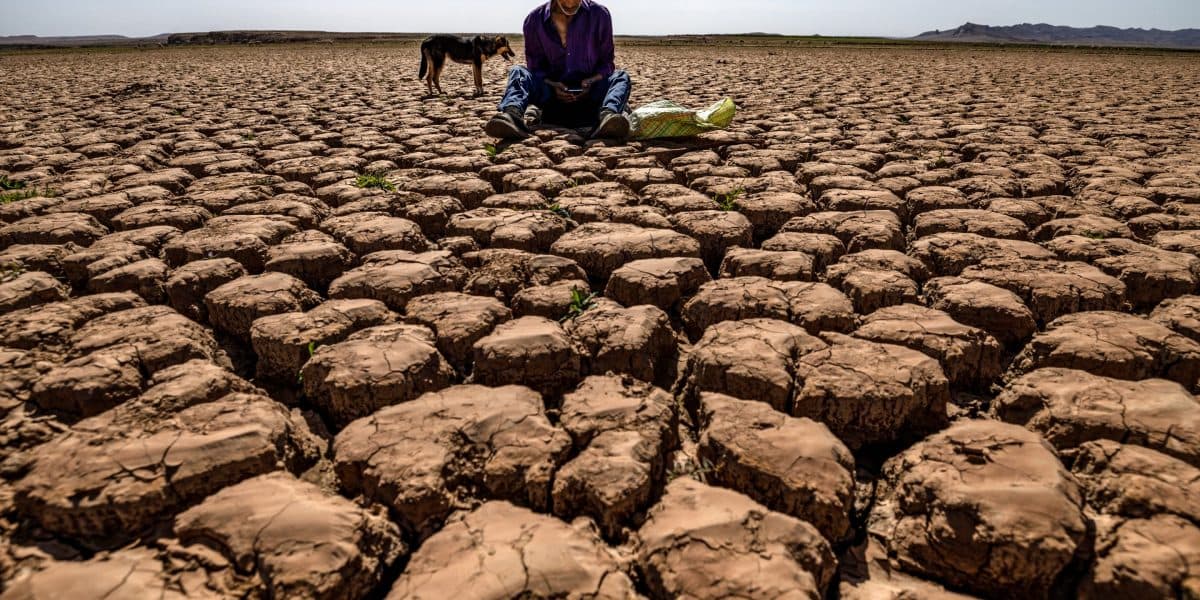
According to Fortune, climate scientists are increasingly confident that 2027 will rank among the hottest years on record, potentially exceeding 2024's unprecedented temperature anomaly of 1.5 degrees Celsius above pre-industrial levels. The convergence of natural climate cycles and long-term warming trends is creating conditions for what meteorologists call a 'super' El Niño event—a rare phenomenon that amplifies global heat patterns and disrupts weather systems worldwide.
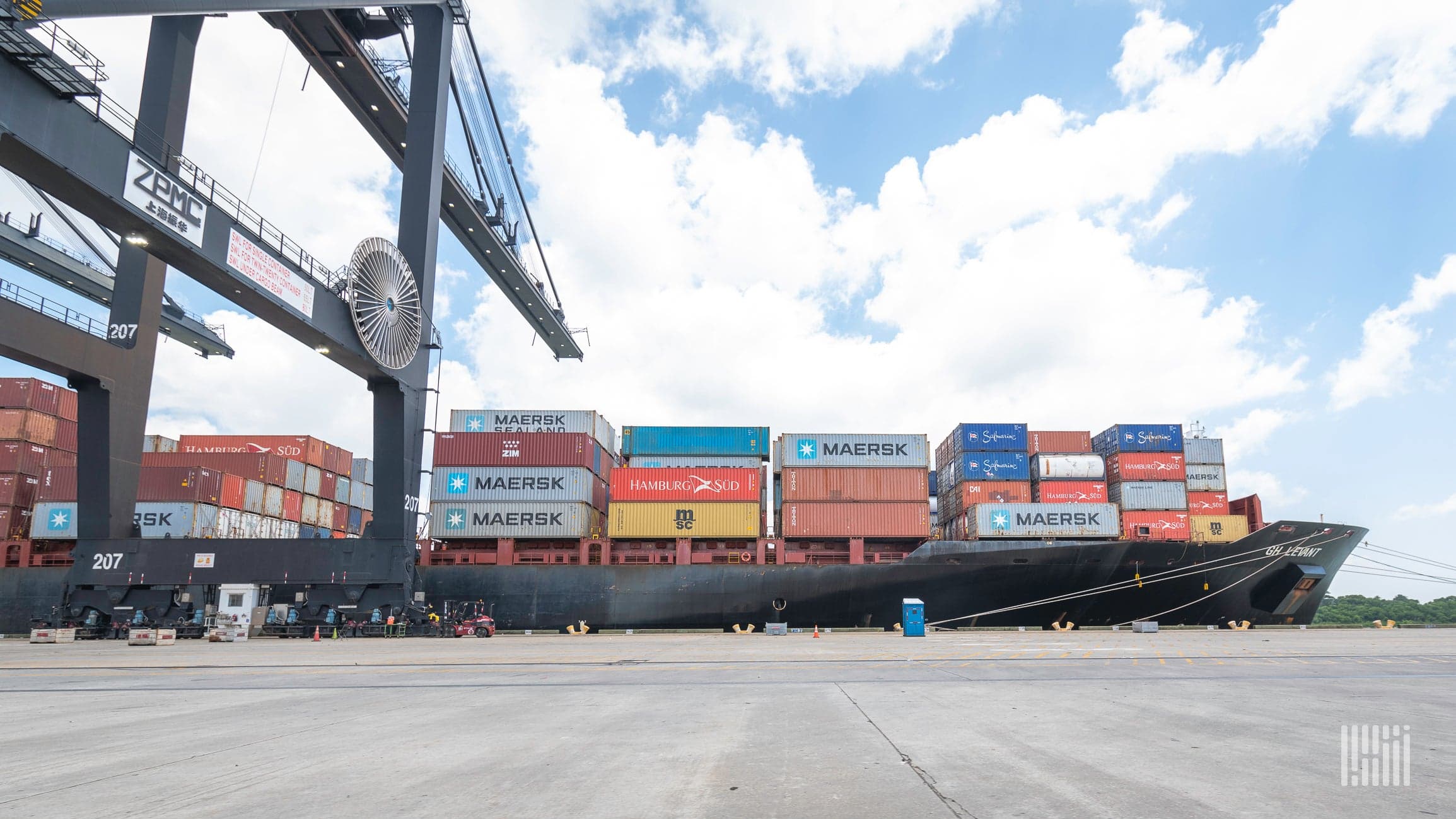
For Atlanta-area businesses, the implications warrant attention across multiple sectors. Energy companies face potential demand surges from increased cooling needs, while logistics providers must prepare for weather-related disruptions to transportation networks. The construction and real estate industries should monitor how extreme heat patterns may influence building codes, HVAC system specifications, and project timelines throughout the Southeast.
Agriculture and food supply chains represent another vulnerability in Georgia's economy. El Niño events typically alter precipitation patterns and growing conditions, which could affect regional farm operations and the broader agribusiness sector that supports Atlanta's distribution and food processing industries. Retailers dependent on seasonal inventory management may also face supply chain adjustments.
Business leaders should begin integrating climate risk assessments into their long-term planning. Whether through energy efficiency investments, supply chain diversification, or operational resilience strategies, companies that anticipate these weather patterns now may gain competitive advantages while those caught unprepared could face significant disruptions and cost pressures.