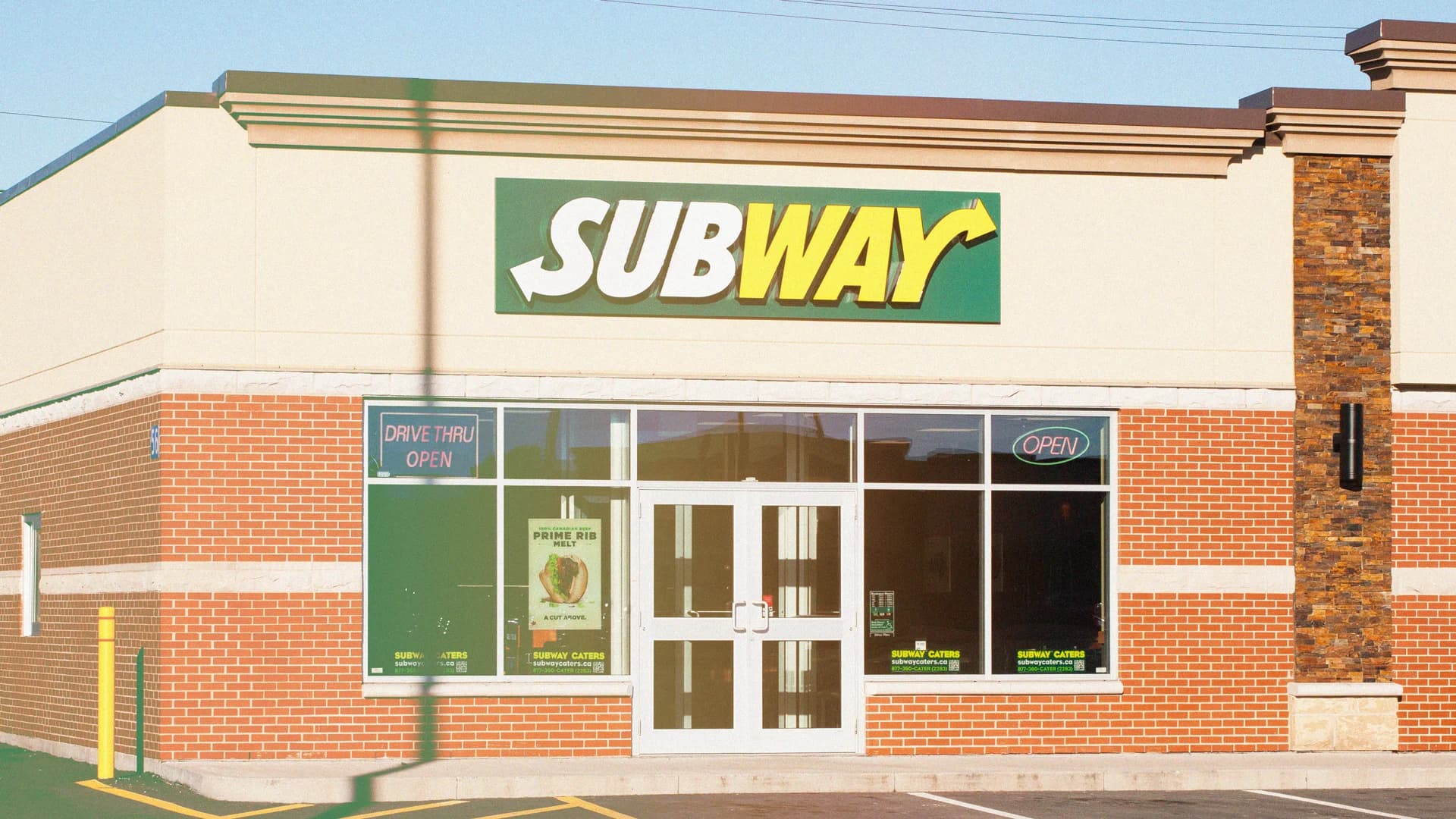
Photo via Inc.
Subway, long positioned as a McDonald's rival in the quick-service restaurant sector, faced significant headwinds last year with the closure of more than 725 U.S. locations. According to reporting from Inc., the franchise giant's total revenue declined 6 percent despite management's ambitious plans to open 100 new shops in 2026. For Atlanta-area franchisees and investors, the news underscores a challenging environment in the competitive fast-casual dining space.
The closures reveal structural challenges facing the sandwich franchise model. Industry observers point to increased competition from both established players and newer concepts offering customization and health-conscious options. In the Atlanta market, where quick-service dining density remains high, consumers have more alternatives than ever before. The decline suggests that Subway's traditional value proposition—affordable, customizable sandwiches—no longer commands the market share it once did.
Paradoxically, Subway's leadership remains committed to expansion, with plans to debut 100 locations next year. This mixed signal—closing hundreds of underperforming stores while simultaneously investing in growth—reflects a broader corporate strategy to reshape the brand and franchise system. The company appears focused on quality over quantity, potentially targeting higher-traffic locations and redesigned formats that appeal to modern consumers.
For Atlanta business leaders watching the quick-service restaurant sector, Subway's trajectory offers lessons about market saturation and the importance of brand evolution. As consumer preferences shift toward fast-casual concepts prioritizing ingredients and experience, traditional franchises must adapt or risk further contraction. The coming months will reveal whether Subway's strategic pivot can reverse the revenue decline and stabilize its footprint in competitive regional markets like Atlanta.