Photo via Fortune
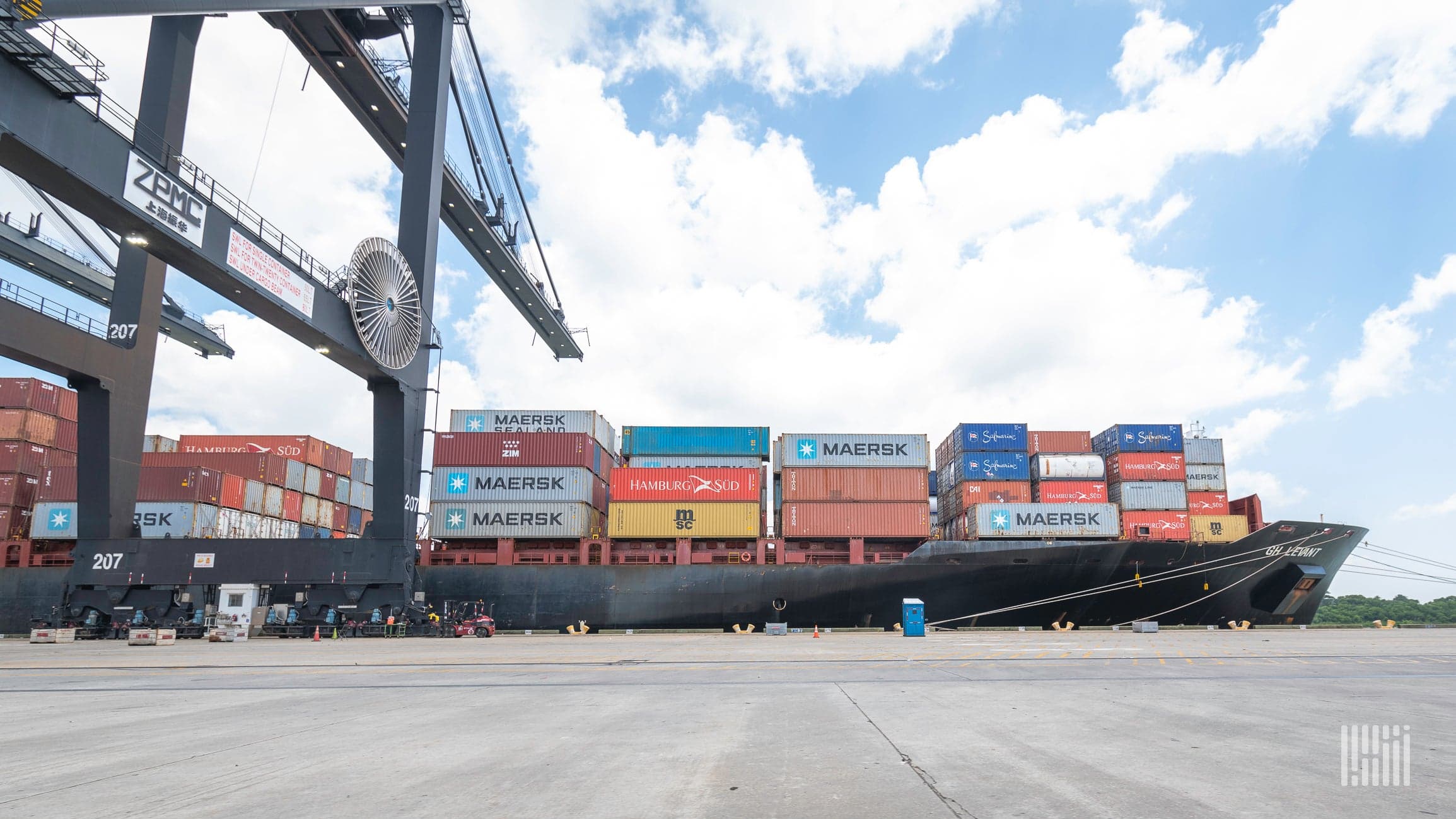
Global financial markets are showing renewed optimism as diplomatic efforts to reopen the Strait of Hormuz gain momentum, a development with direct implications for Atlanta's substantial logistics and distribution sector. The strategic waterway, through which roughly one-fifth of the world's oil passes, has faced periodic disruptions that ripple through supply chains nationwide. For Atlanta-area companies dependent on international shipping and energy costs, any stabilization in the region could translate to more predictable freight rates and fuel expenses.
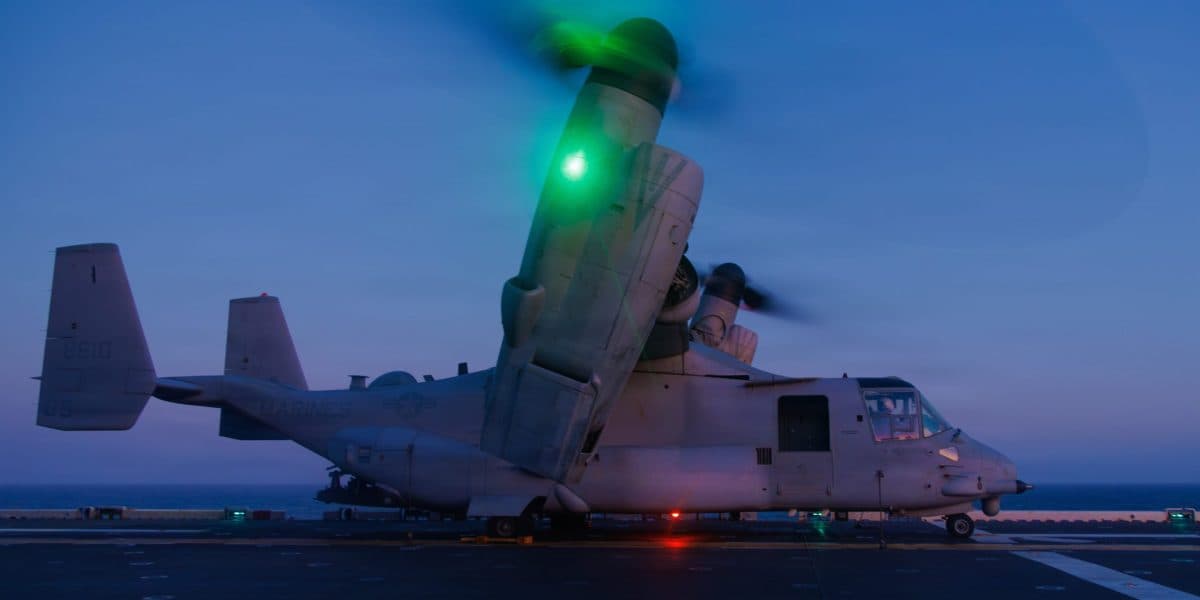
However, the path forward remains complicated. According to reporting on the situation, U.S. military forces have conducted defensive operations against Iranian assets in southern Iran, including strikes on missile sites and vessels involved in laying mines. These self-defense actions underscore the fragile nature of the current détente and highlight the geopolitical risk factors that continue to influence global commodity prices and shipping insurance costs.
The energy sector stands to benefit most immediately from a reopened Hormuz corridor. Atlanta-based companies in the petroleum distribution, petrochemicals, and manufacturing sectors that rely on stable energy supplies could see cost relief if the diplomatic breakthrough holds. Additionally, the reduction in military tensions may lower maritime insurance premiums, which have spiked during periods of heightened regional conflict.
Local business leaders should monitor developments closely. While optimism about renewed trade flows is warranted, the volatility of the situation underscores the importance of diversified supply chains and risk management strategies. Companies with exposure to Middle Eastern trade or energy markets may want to reassess their hedging positions and logistics contingency plans in the coming weeks.