Photo via CNBC Business
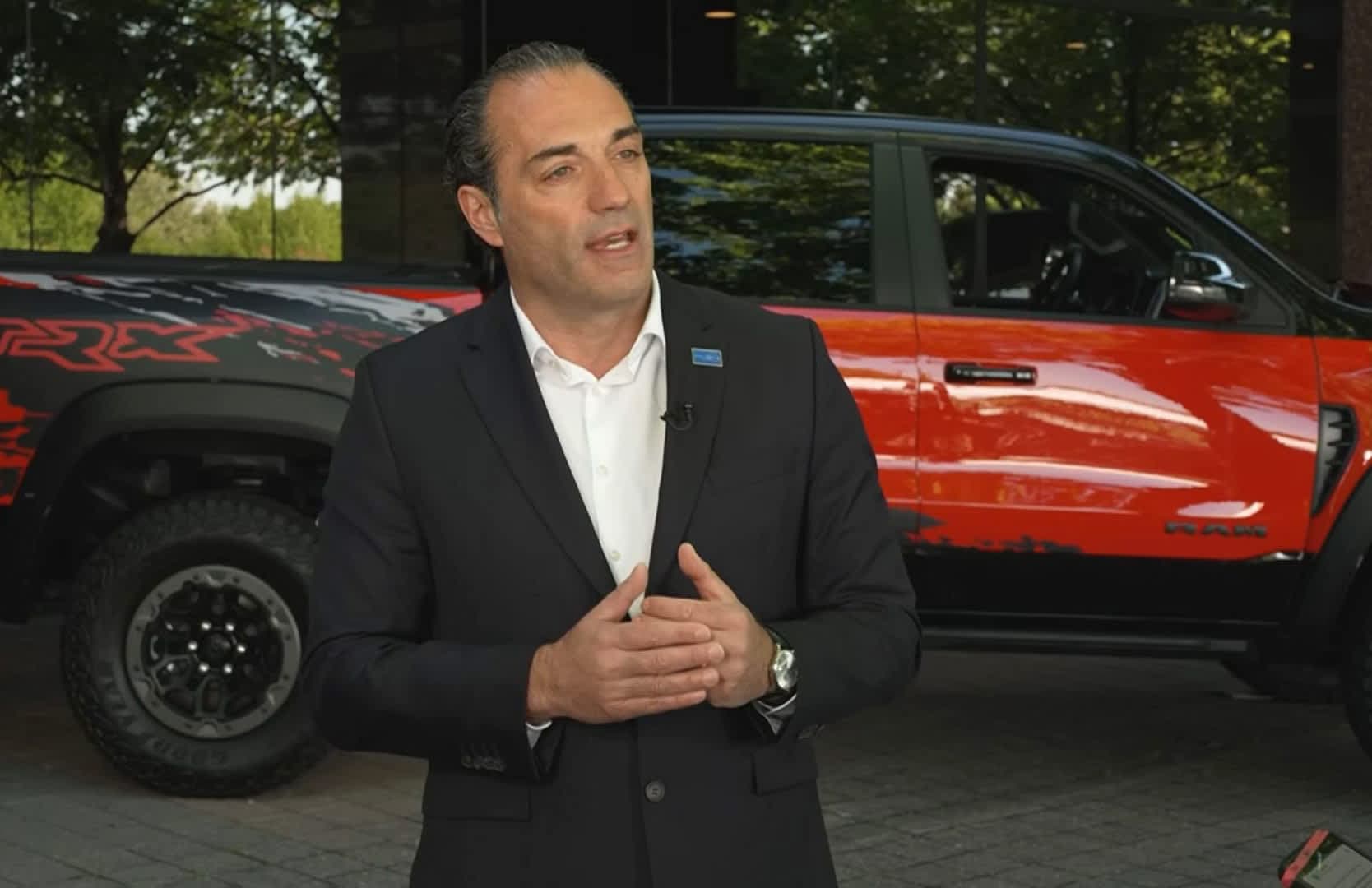
Stellantis, one of the world's largest automakers, has announced a comprehensive strategic overhaul targeting a return to positive cash flow by 2027. According to CNBC Business, CEO Antonio Filosa unveiled the €60 billion ($69.7 billion) initiative this week, marking a significant commitment to stabilizing the company's financial performance amid industry-wide pressures from electrification, competition, and changing consumer demand.
The turnaround plan reflects broader challenges facing traditional automakers as they navigate the transition to electric vehicles and confront intensifying competition from both established rivals and new market entrants. For Atlanta-area businesses involved in automotive logistics, parts distribution, and manufacturing support services, this restructuring could signal evolving supply chain requirements and potential shifts in vendor relationships as Stellantis optimizes operations.
The five-year timeframe suggests Filosa believes the company can stabilize operations and improve profitability through operational efficiencies, portfolio optimization, and strategic capital allocation. This approach may include consolidating manufacturing footprints, reducing complexity in product lineups, and realigning resources toward higher-margin segments—all moves that could affect suppliers and logistics partners throughout the Southeast.
For Atlanta's business community, monitoring Stellantis's execution will be important, particularly for companies in the automotive supply chain. Any major shifts in manufacturing footprints, procurement strategies, or logistics networks could create both challenges and opportunities for regional players seeking to adapt to the evolving automotive landscape.