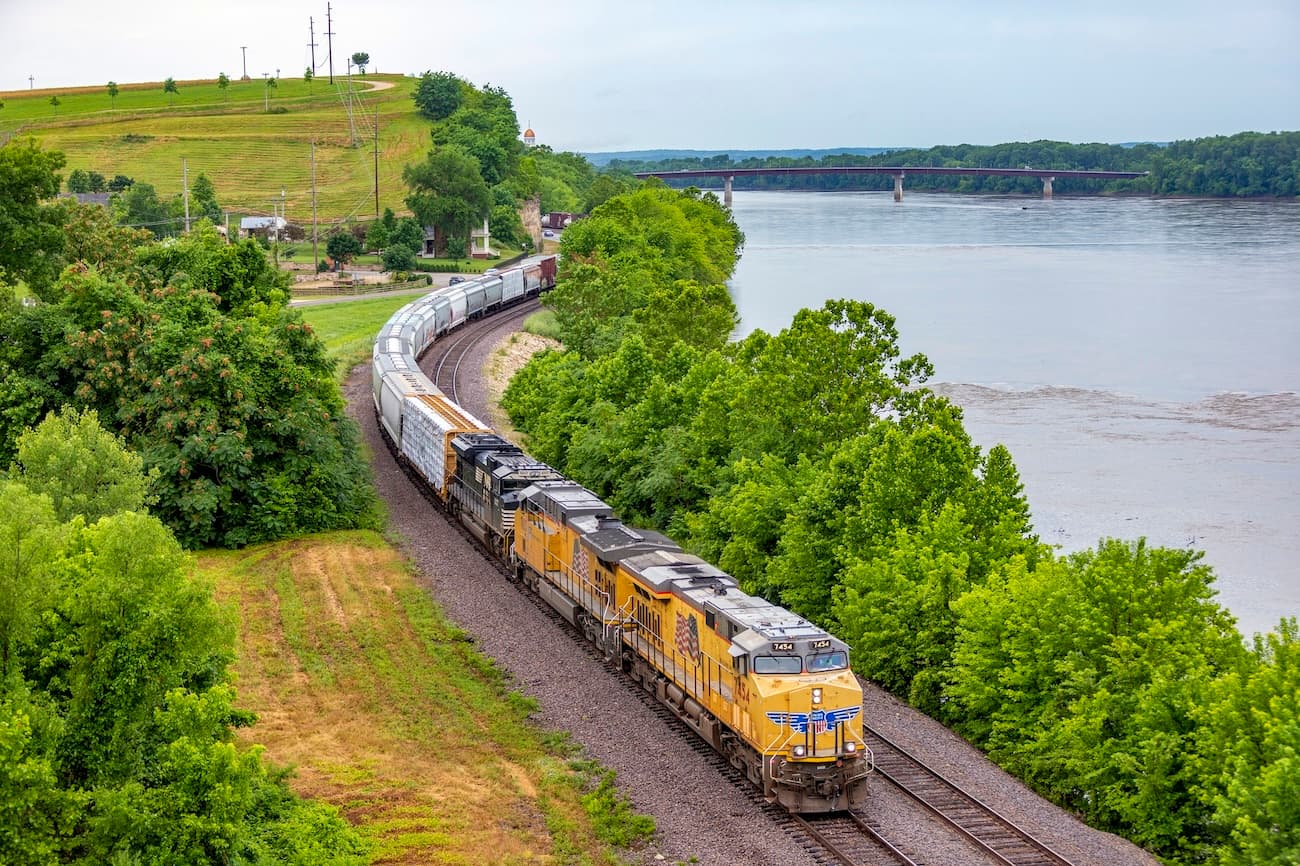
Photo via FreightWaves
A significant milestone in the proposed Union Pacific-Norfolk Southern merger arrived when the Surface Transportation Board granted conditional acceptance of the companies' revised application. According to FreightWaves, this development clears the way for a more detailed, fact-based examination of the $32 billion combination that would create a dominant transcontinental rail network.
For Atlanta-area businesses reliant on rail logistics, the outcome of this merger carries substantial weight. The proposed combination would reshape freight routing across the Southeast and beyond, potentially affecting supply chains for manufacturers, retailers, and distribution centers throughout Georgia and the region.
The conditional acceptance signals the STB's willingness to proceed with substantive review of the merger's merits and potential impacts on competition, service reliability, and rates. Rather than outright rejection, the board has indicated it will examine evidence and testimony to determine whether the combination serves the public interest.
Industry observers note the decision reflects a more measured regulatory approach compared to earlier skepticism. As the review process unfolds, stakeholders—including Georgia-based shippers and logistics providers—will have opportunities to present concerns or support for how the merger might affect freight rates, service quality, and competitive options in the region's transportation infrastructure.