Photo via Fox5 Atlanta
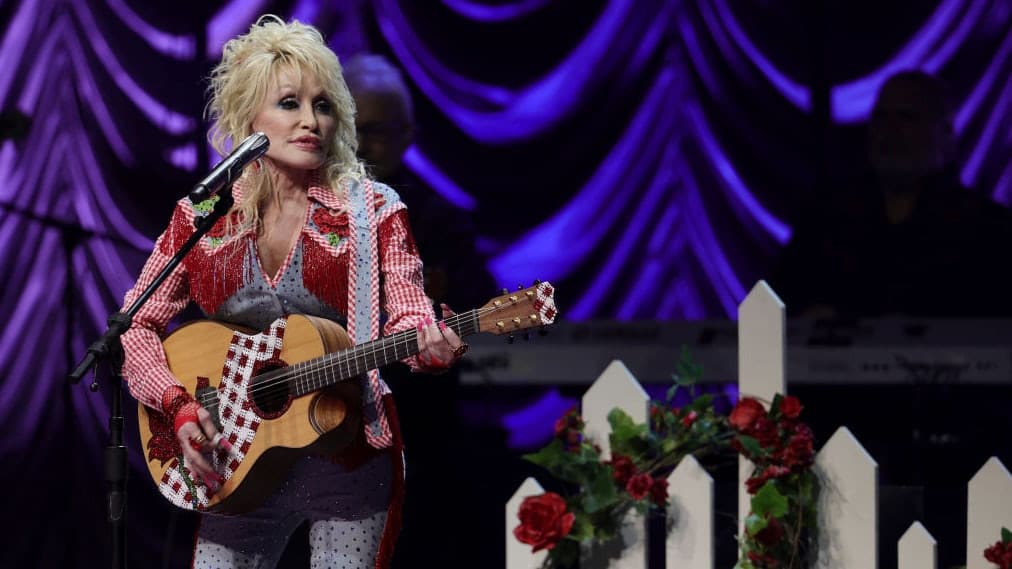
According to Fox5 Atlanta, Missouri has reduced funding for the Imagination Library, a national initiative founded by country music icon Dolly Parton that distributes free books to children in participating communities. The cuts represent a setback for a program that has expanded significantly across multiple states over the past two decades.
The Imagination Library operates in numerous regions, providing age-appropriate books to registered children from birth through age five, regardless of income level. The program aims to promote early literacy and ensure that economic barriers don't prevent access to reading materials during critical developmental years.
While the Missouri situation reflects state-level budgeting challenges, nonprofit and corporate-backed literacy programs remain vital to communities nationwide. Atlanta-area businesses and philanthropic organizations have increasingly recognized the connection between childhood literacy initiatives and long-term workforce development, making such programs relevant to regional economic planning.
The funding cuts highlight broader questions about sustaining public-private partnerships in education and literacy. Organizations operating similar programs may face comparable budget pressures, underscoring the importance of stable funding models and diversified revenue streams for initiatives serving vulnerable populations.