Photo via CNBC Business
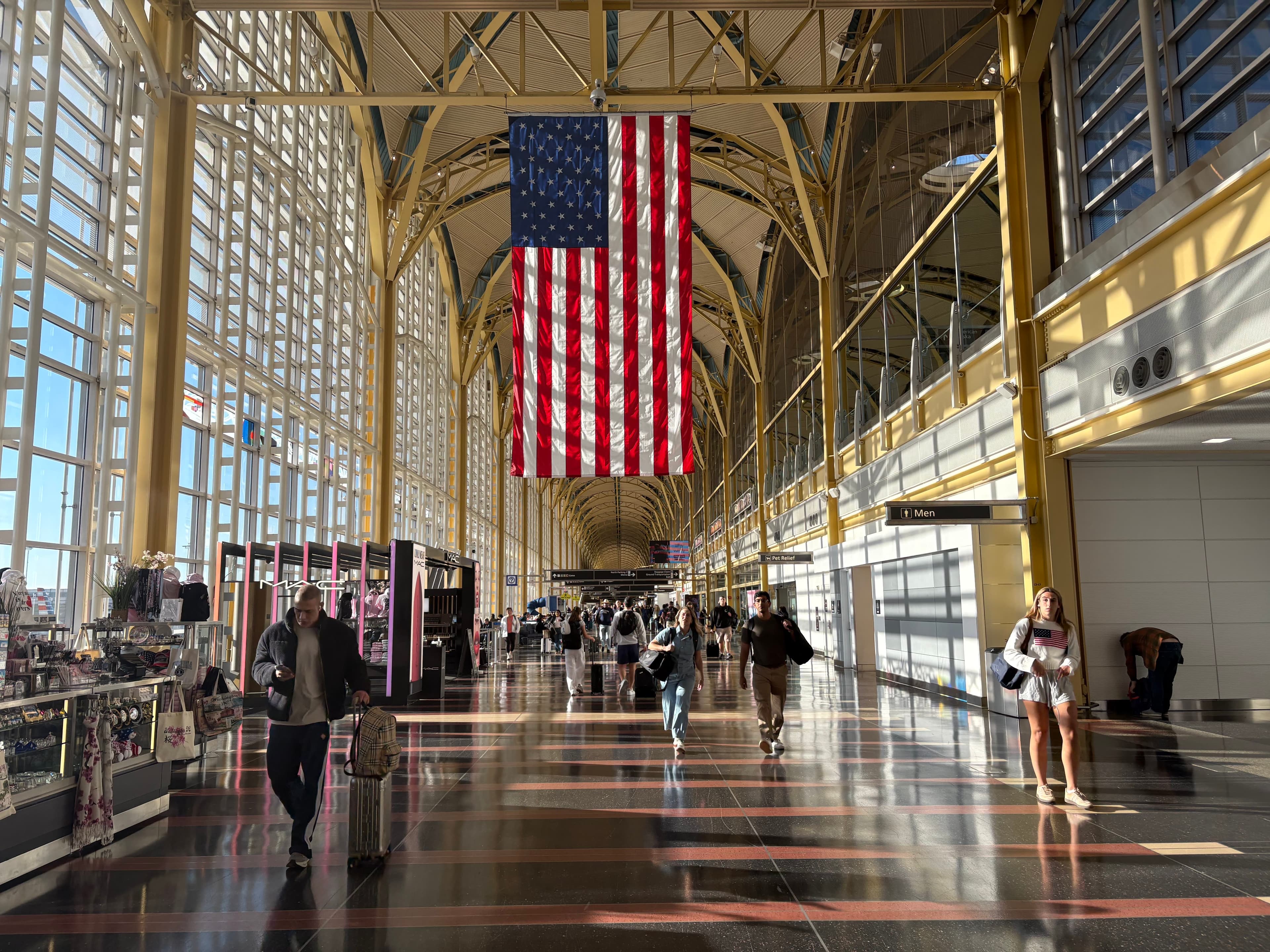
The collapse of Spirit Airlines represents a significant disruption in the budget carrier landscape that has long defined summer vacation accessibility for middle-income travelers. According to CNBC Business, the carrier's financial difficulties come at a critical juncture—as Memorial Day weekend approaches and signals the unofficial start of peak summer travel season. For Atlanta, where Hartsfield-Jackson International Airport serves as a major hub and primary gateway for regional leisure travel, the loss of a low-cost competitor could reshape pricing dynamics and consumer choice in the coming months.
Rising fuel costs compound the challenges facing the aviation industry heading into summer. As oil prices remain elevated, airlines across the board are facing margin pressures that may translate to higher ticket prices for Atlanta-area travelers. The combination of reduced competition from Spirit's departure and fuel-driven cost increases suggests consumers should expect steeper airfares during the peak vacation season, potentially dampening discretionary travel spending across the Southeast.
Atlanta's tourism and hospitality industries—which depend significantly on leisure travelers willing to fly into the region—stand to be affected by changing air travel economics. Hotels, attractions, and restaurants that cater to summer visitors may see altered demand patterns as consumers adjust vacation budgets in response to higher flight costs. Convention and leisure travel planners should monitor how these shifts influence booking patterns through the busy summer months.
The Memorial Day weekend travel surge will provide early data on consumer willingness to absorb higher travel costs despite economic headwinds. Industry watchers will be closely examining booking trends and pricing power to gauge whether Atlanta's tourism sector maintains momentum or faces a slower-than-expected summer season. Business leaders in hospitality and related sectors should prepare contingency plans based on revised travel demand forecasts.