Photo via Inc.
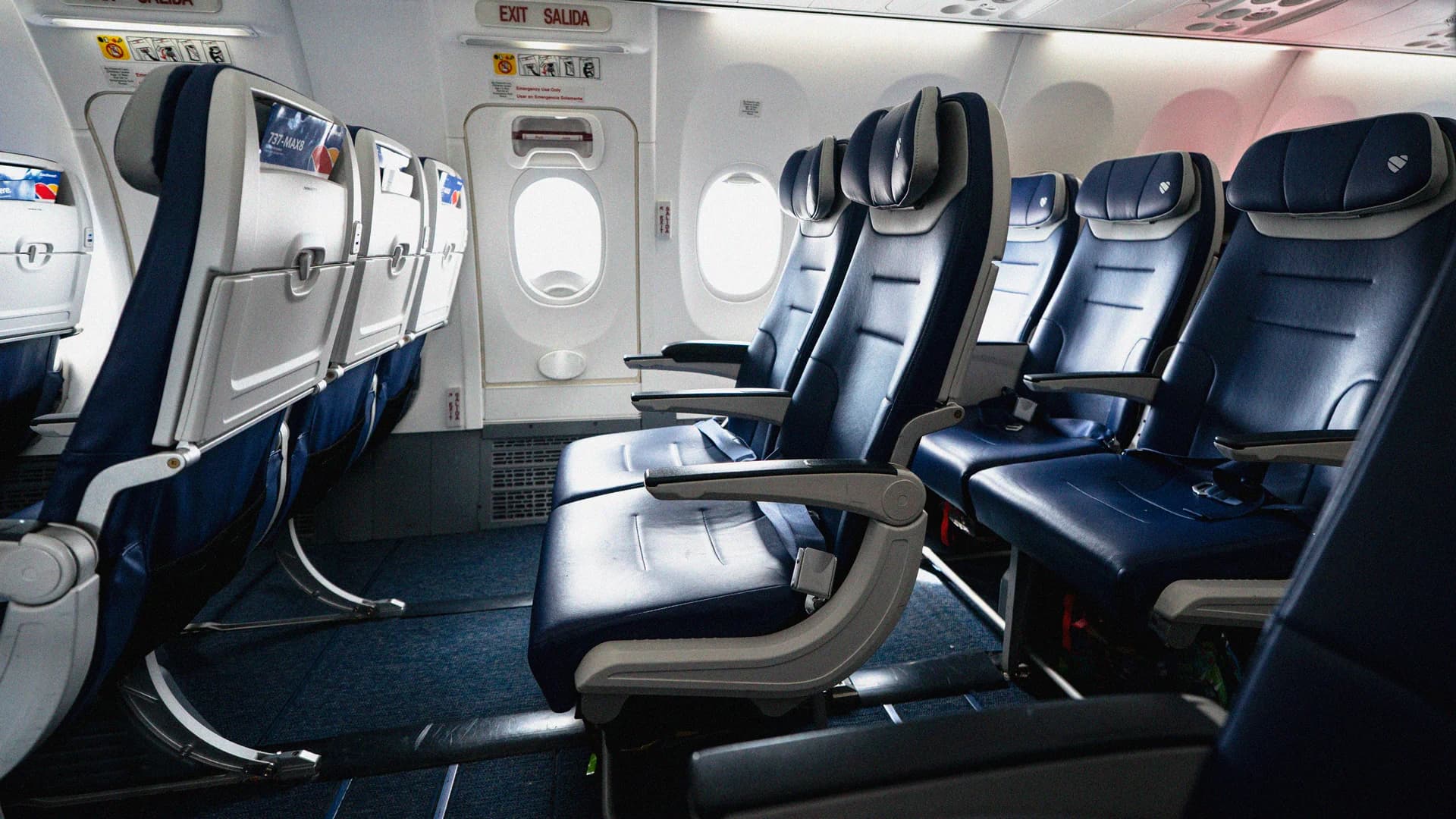
Southwest Airlines has abandoned a contentious seating policy that sparked significant customer dissatisfaction over a four-month period. The decision comes as the Dallas-based carrier faced sustained pressure from frequent flyers who viewed the change as a departure from the airline's traditional customer-friendly approach. This reversal demonstrates how quickly consumer sentiment can force major operational decisions at large transportation providers.
The airline had implemented several cost-reduction initiatives as part of a broader operational overhaul. The seating policy, which drew particular ire from loyal customers, became emblematic of broader concerns about declining service quality in exchange for cost savings. For Atlanta-area business travelers who rely on Southwest for regional and national routes, the policy changes represented a notable shift in the value proposition that had long differentiated the carrier.
The reversal highlights the delicate balance airlines must maintain between profitability and customer retention. Southwest's decision to listen to customer feedback and reverse course may preserve loyalty among the frequent business travelers and corporate clients that represent significant revenue streams. This move could influence how other carriers evaluate their own cost-cutting strategies going forward.
The incident underscores the competitive pressures facing the airline industry and the importance of maintaining customer trust, particularly among business audiences who have options. As Atlanta continues to serve as a major hub for both Delta and other carriers, competitive dynamics around service quality and pricing directly impact the region's business travel ecosystem and corporate decision-making around airline partnerships.