Photo via Fast Company
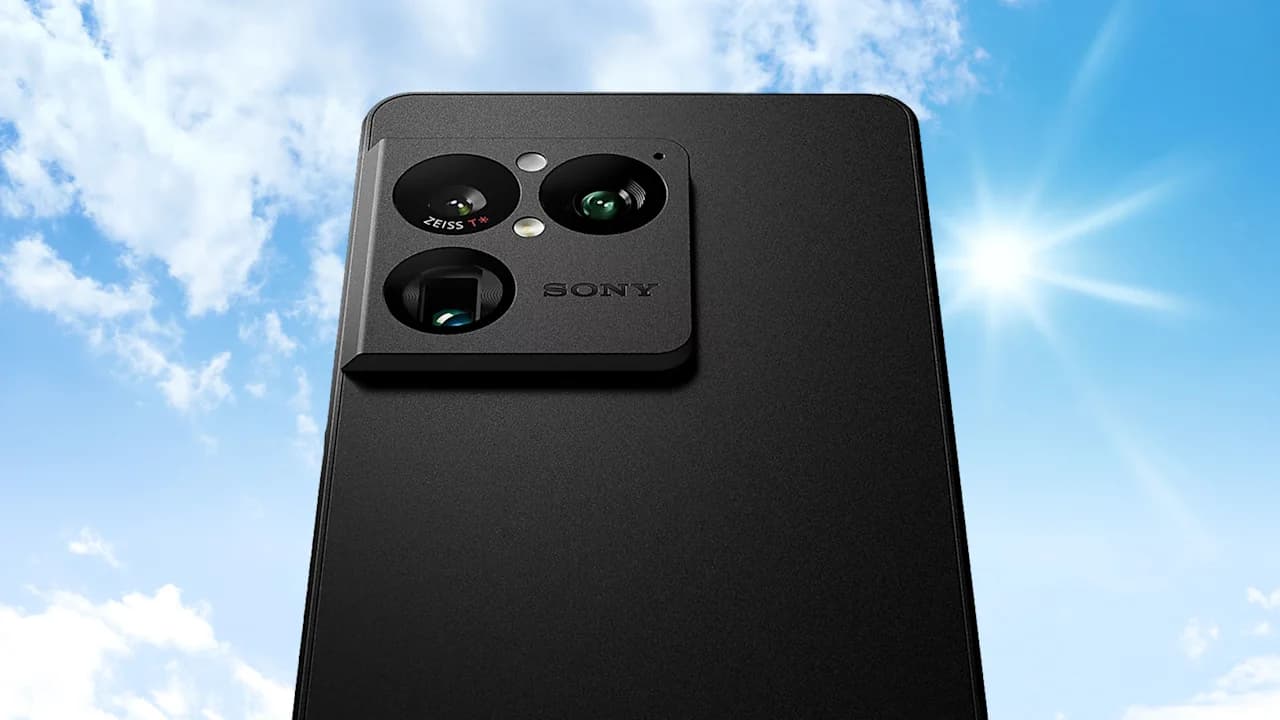
Sony's recent stumble with its new AI Camera Assistant feature on the Xperia smartphone has become a case study in how not to launch consumer technology. The company posted before-and-after examples of the tool's suggested photography adjustments on X, but the results were widely mocked for creating overexposed, low-contrast images that stripped away the quality of the original shots. What was intended as a feature showcase quickly devolved into a public relations crisis, with over 11 million views and thousands of comments criticizing Sony's judgment.
The backlash raises an important question for Atlanta's tech community: whether this was a genuine product mishap or a deliberate engagement-farming strategy. Some industry observers, including the CEO of consumer tech company Nothing, suggested the poor image quality was intentionally shared to generate buzz. The timing—coinciding with the launch of a flagship phone and camera—led skeptics to wonder if Sony knowingly leveraged controversy to drive conversation around its new devices.
According to Fast Company's reporting, Sony attempted damage control by clarifying that the AI tool suggests four creative camera settings rather than automatically editing photos. However, the company's explanation came too late to reverse the narrative. The feature itself isn't flawed—it's designed to offer photographers different creative options—but Sony's presentation created an impression of incompetence that overshadowed the actual functionality.
For Atlanta-based tech companies and startups, this incident underscores the importance of internal review processes before public announcements. Whether deliberate or accidental, Sony's approach demonstrates how quickly social media can amplify perception problems and how difficult it becomes to recover once a brand becomes the subject of mockery. In an increasingly competitive tech landscape, careful messaging and product validation are essential to maintaining credibility with consumers and investors.