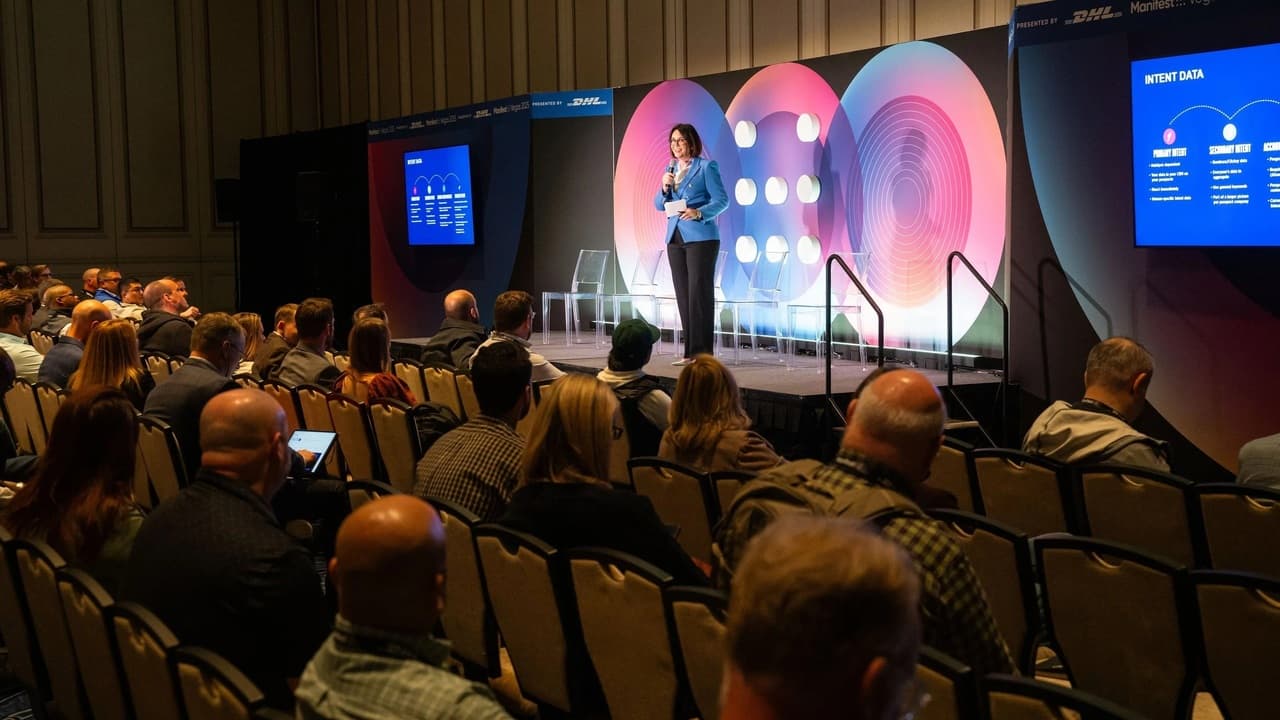
Photo via Fortune
Snowflake's recent earnings results underscore a fundamental shift reshaping the software industry, as companies grapple with how to price their products in an AI-driven economy. According to Fortune, CEO Sridhar Ramaswamy argues that the traditional seat-based licensing model—where companies charge per user—is becoming increasingly difficult to justify as AI enables workers to accomplish significantly more with fewer resources.
The challenge is particularly acute for Atlanta-area technology firms and enterprises relying on legacy pricing structures. As AI tools become standard across industries, companies may find they need fewer software licenses per employee, potentially compressing revenue models that have driven profitability for decades. This shift could reshape how local tech vendors price their offerings and compete in the Southeast.
Ramaswamy's prediction suggests that software companies will need to pivot toward alternative revenue models—such as consumption-based pricing or outcome-based agreements—to remain competitive and justify premium costs. According to the Fortune report, those slow to adapt risk losing market share as customers question whether traditional pricing reflects actual value delivered in an AI-augmented workplace.
For Atlanta's business community, understanding these changing dynamics is critical. Whether your company purchases enterprise software or develops it, the industry's pivot toward new pricing models will influence IT budgets, vendor relationships, and ultimately, bottom-line costs in the months ahead. Companies that proactively evaluate their software strategies may gain competitive advantages during this transition period.