Photo via TechCrunch
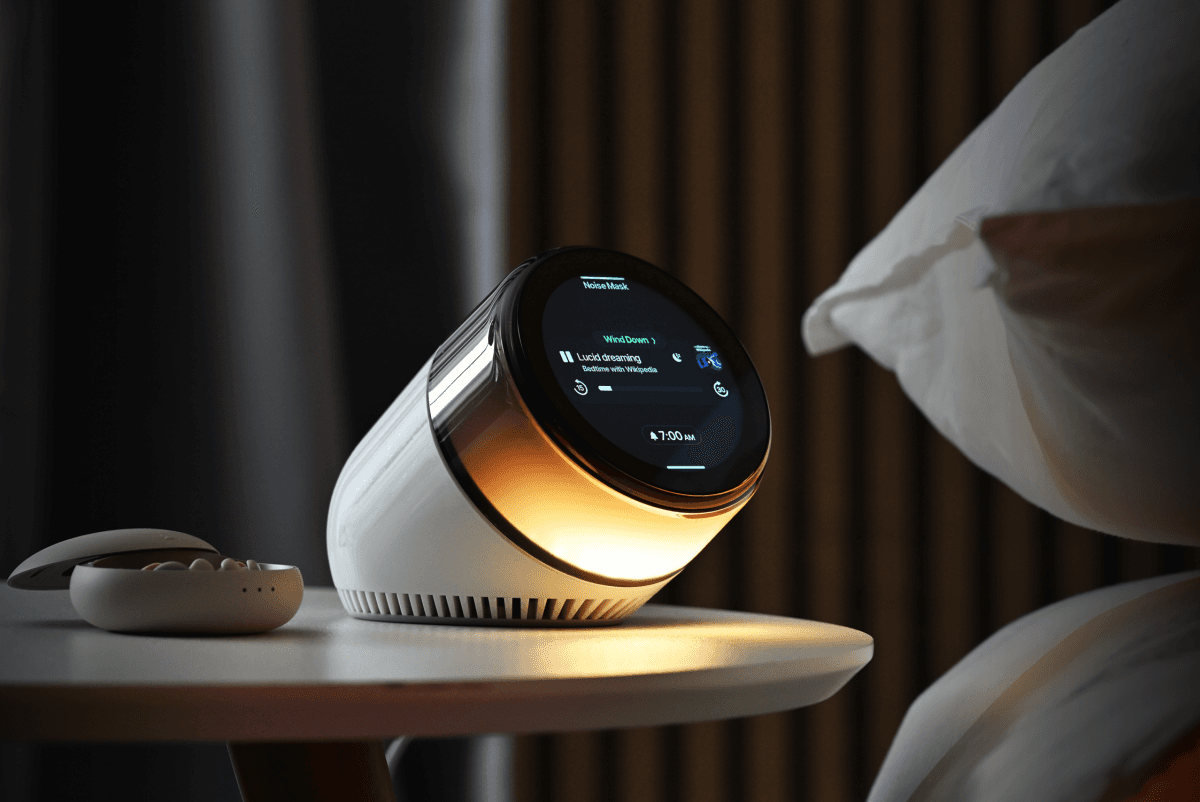
The market for smart home devices continues to expand as Atlanta-area professionals seek better ways to manage their digital wellness. According to TechCrunch, a new entrant called Dreamie is gaining traction by addressing a specific pain point: the tendency to use smartphones as alarm clocks, which often leads to late-night scrolling and compromised sleep quality.
What distinguishes Dreamie from competing smart alarm manufacturers is a straightforward feature set focused on essential functionality rather than unnecessary complexity. The device's ability to stream podcasts directly means users can eliminate one compelling reason to keep their phones within arm's reach of the bed—a strategy that sleep health experts have long recommended for improving rest quality.
For Atlanta's growing wellness-focused business community, this represents a broader trend toward technology products designed with intentional constraints. Rather than adding every possible feature, manufacturers are recognizing that simpler, purpose-built devices may better serve professionals juggling demanding schedules and work-life balance concerns.
As smart home adoption accelerates in the Southeast, local retailers and Atlanta-based tech companies are observing increased consumer demand for devices that support digital well-being alongside convenience. The success of minimalist alarm clocks suggests that Atlanta professionals are willing to invest in technology that helps them work smarter while protecting personal time and sleep.