Photo via Inc.
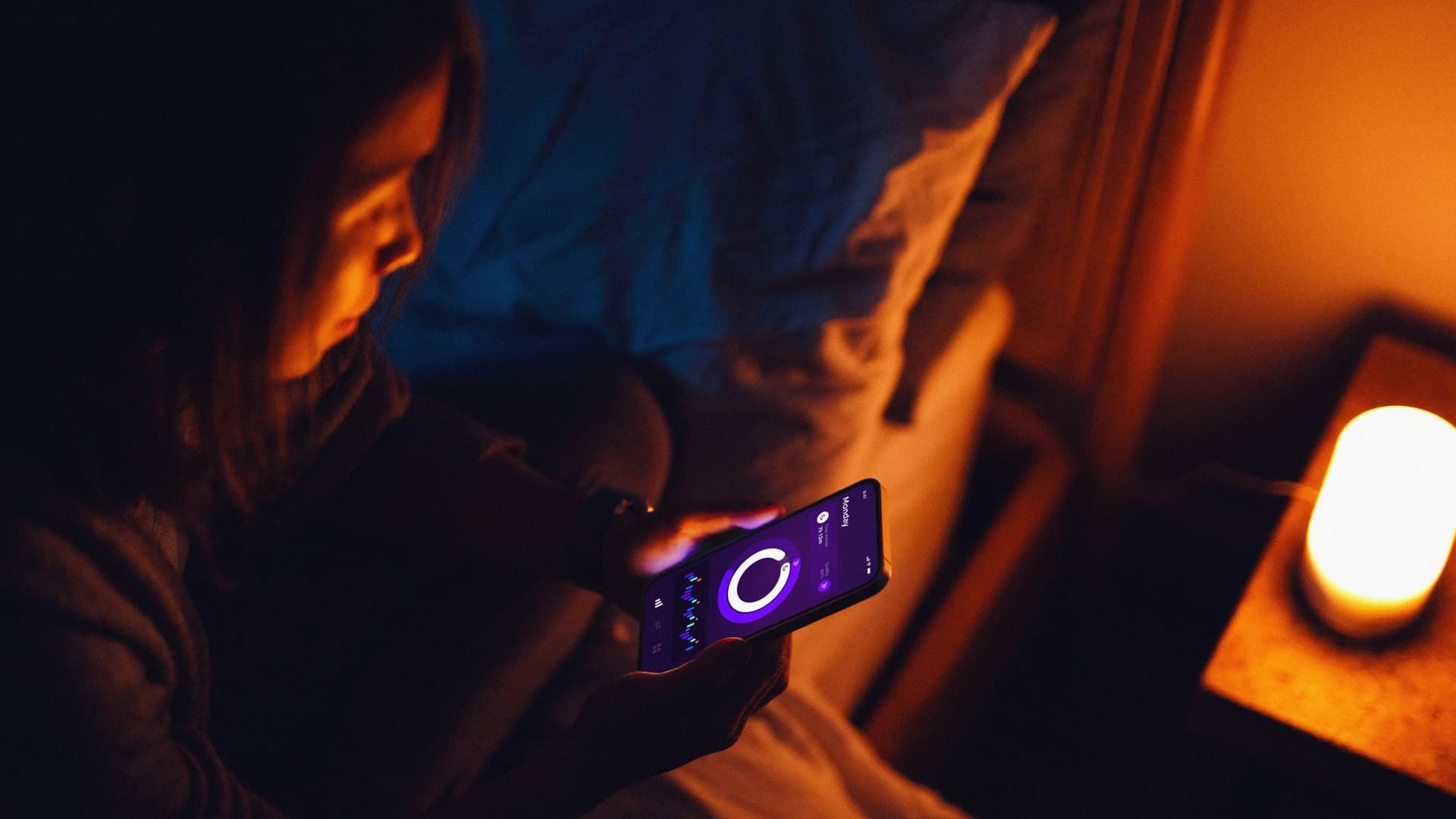
Atlanta professionals eager to optimize their sleep habits should take a closer look at the devices and applications promising better rest. According to recent research, the very tools marketed to improve sleep quality—including smartwatch apps, sleep-tracking rings, and mobile applications—may actually intensify sleep problems for those already struggling with insomnia. For a workforce known for hustle and long hours, this finding could reshape how local business leaders approach workplace wellness programs.
The paradox lies in what researchers call 'performance anxiety.' When workers obsessively monitor sleep metrics through wearable technology, the constant tracking can create stress around achieving target numbers, paradoxically making it harder to fall and stay asleep. This phenomenon, familiar to Atlanta-area wellness consultants and occupational health professionals, suggests that the quantified-self movement may have unintended consequences for sleep health.
The implications extend beyond individual health to corporate wellness strategies. Atlanta companies investing in employee wellness initiatives—particularly tech firms and fast-growing startups in the region—may need to reconsider sleep-tracking mandates or incentive programs. HR departments should evaluate whether productivity gains from monitoring actually offset the stress and sleep disruption these tools create.
Instead of technology-first solutions, sleep researchers recommend traditional approaches: consistent sleep schedules, reduced screen time before bed, and creating optimal sleep environments. For Atlanta's ambitious professionals, the takeaway is clear: sometimes the best tool for better sleep is putting the tools away. Organizations should consult with sleep specialists before implementing tracking-based wellness initiatives.