Photo via Entrepreneur
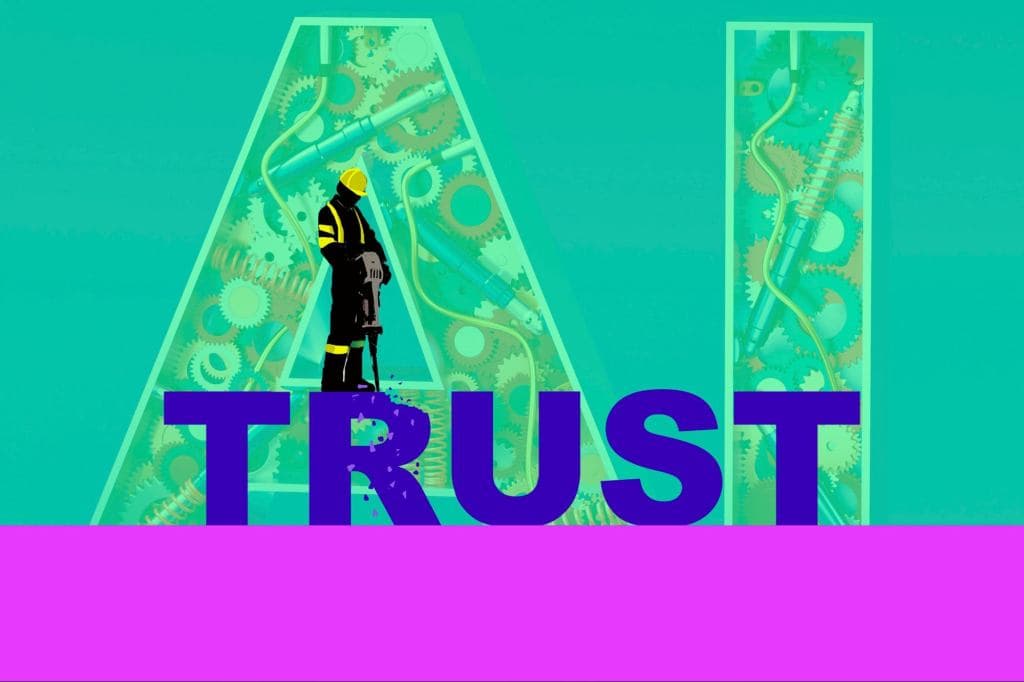
As Atlanta companies accelerate AI adoption across operations—from logistics hubs to financial services firms—organizational leaders face a critical communication challenge. According to Entrepreneur, the primary threat during technological transformation isn't the tools themselves, but rather leadership silence and vague messaging at the precise moment employees need transparency most. For Atlanta's diverse business landscape, this gap between executive decisions and worker clarity creates vulnerability.
The trust erosion happens quickly when employees feel left in the dark about how AI will affect their roles, workflows, and job security. In a competitive talent market like Atlanta's, where tech-forward companies and traditional enterprises compete for skilled workers, unclear communication about digital transformation signals misalignment and erodes the psychological safety employees need to adapt productively. Leaders who delay explaining strategy, timelines, and individual impact inadvertently fuel anxiety and disengagement.
Effective leadership communication during AI adoption requires three components: clarity about what's changing and why, context for how decisions were made, and honest conversation about both opportunities and challenges ahead. Atlanta business leaders—whether managing healthcare systems implementing diagnostic AI, financial institutions upgrading automation, or manufacturing operations modernizing processes—can prevent trust collapse by establishing transparent communication frameworks before and throughout implementation.
The real competitive advantage during AI transformation isn't technical sophistication; it's human trust. Atlanta's strongest companies will be those whose leaders invest in sustained, honest dialogue with their teams about change, ensuring employees feel informed partners in adaptation rather than passive subjects of executive decisions.