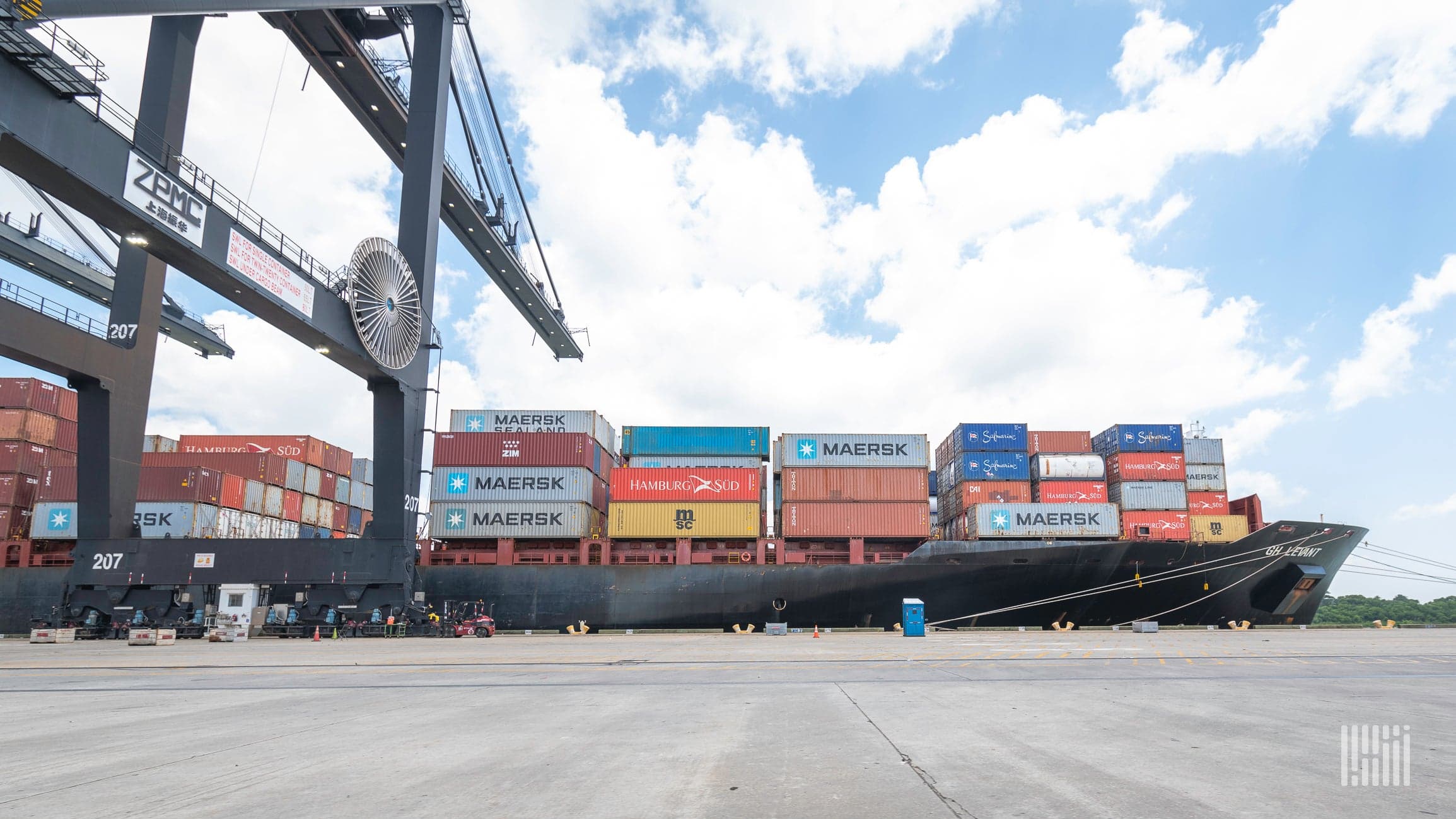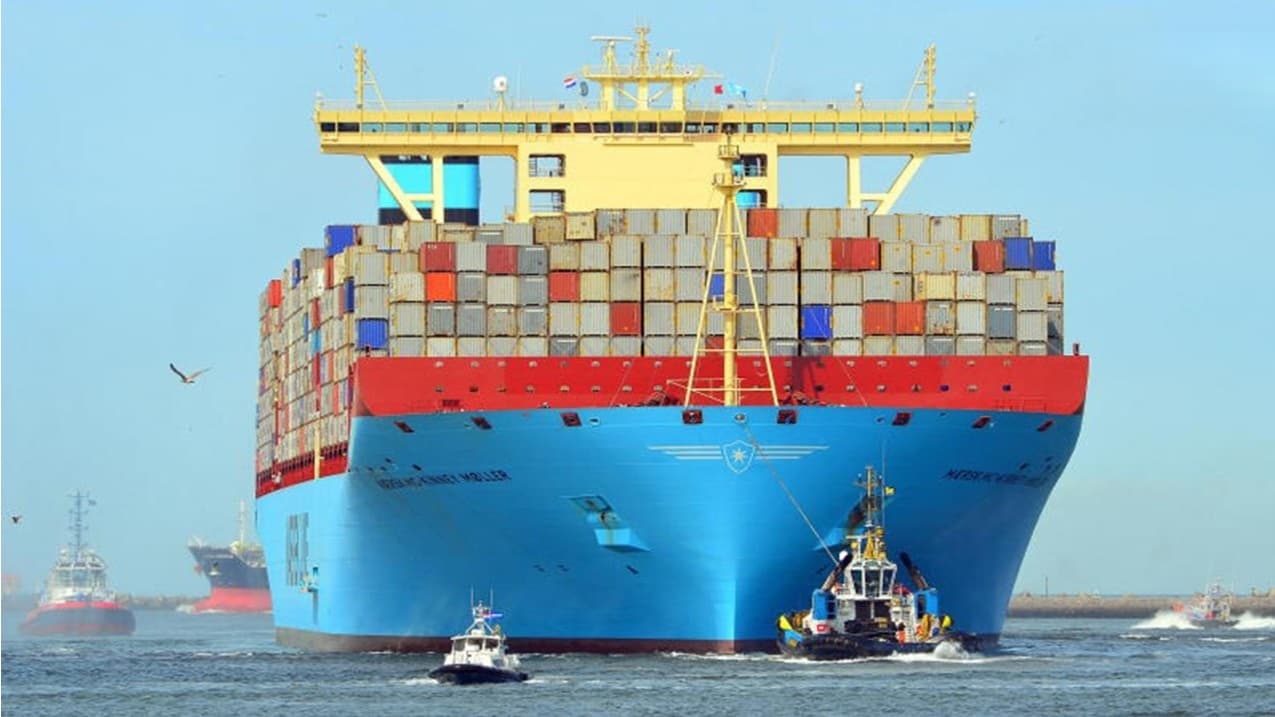
Photo via FreightWaves
According to FreightWaves, a significant realignment by a major shipping carrier partnership may indicate the beginning of a broader return to the Suez Canal route for global maritime traffic. The move reflects shifting geopolitical dynamics in the Persian Gulf region, where recent peace developments have reduced security concerns that previously prompted vessels to seek alternative passages.
The decision by leading shipping alliances to resume Suez Canal routes carries substantial implications for global supply chains and maritime economics. The canal, a critical conduit connecting European and Asian markets, has seen reduced traffic in recent years as carriers opted for longer alternatives around the Cape of Good Hope due to regional instability and security risks.
This potential reorientation represents a pivotal moment for international trade efficiency and underscores how geopolitical developments directly influence maritime commerce patterns. Renewed confidence in the Suez passage could reduce shipping costs and transit times for major carriers, with ripple effects across containerized cargo markets and global freight pricing.