Photo via SaportaReport
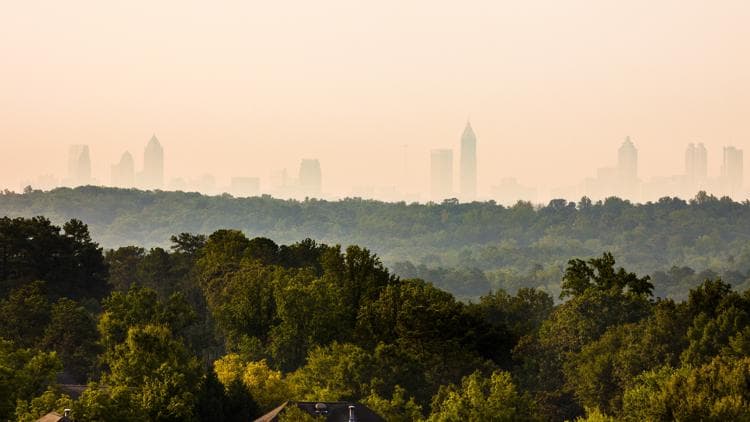
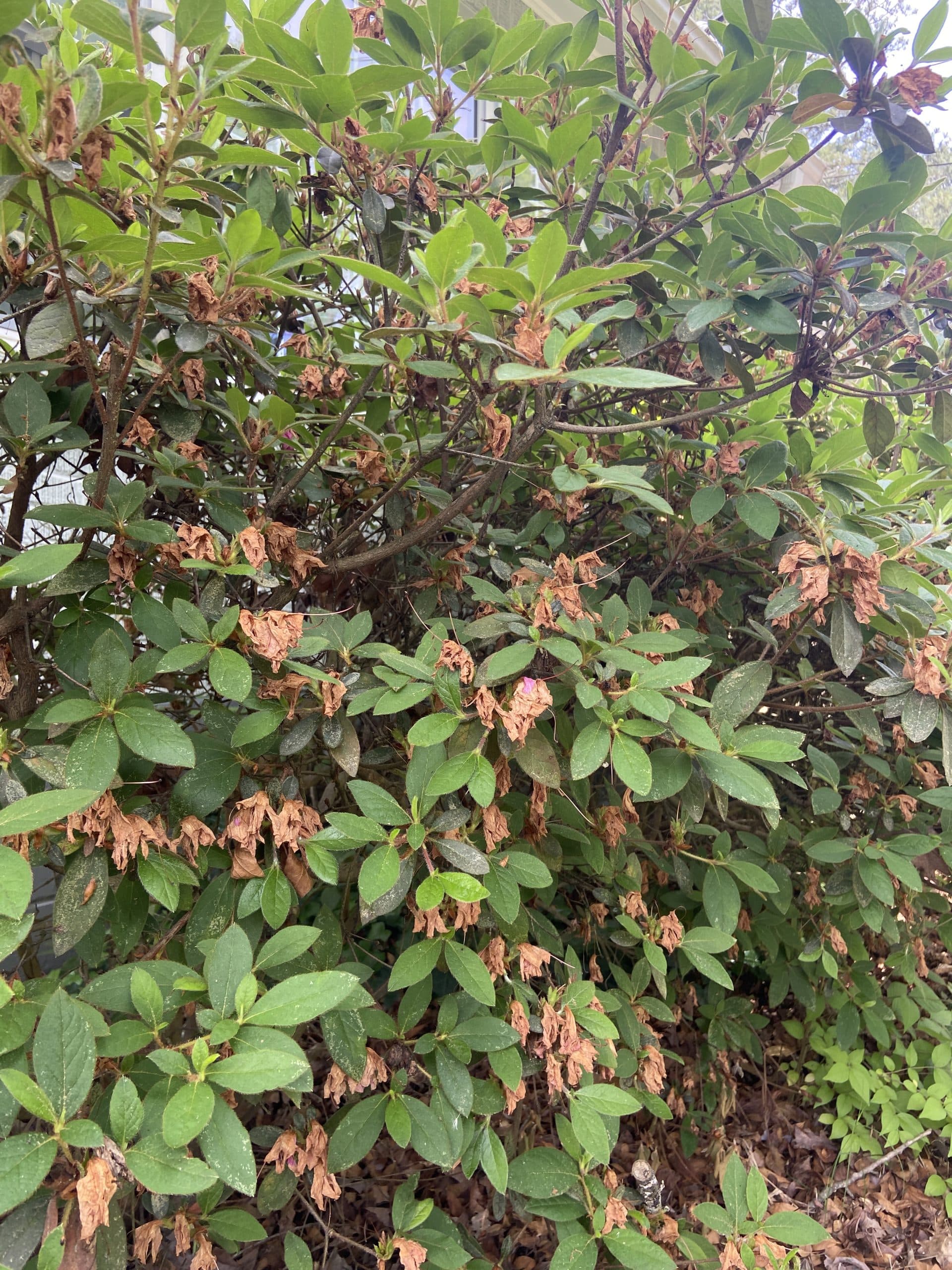
Atlanta and the broader Georgia region face an urgent environmental challenge as severe to exceptional drought conditions persist across the state. According to the U.S. Drought Monitor, the entire state has been classified under drought stress, with forecasts suggesting dry conditions will continue through at least mid-summer. This extended period of water scarcity is placing significant pressure on the city's parks, green spaces, and urban forest—critical assets that support both quality of life and commercial property values throughout metro Atlanta.
For Atlanta's real estate and development communities, the drought underscores the growing importance of water-efficient landscaping and sustainable site management. Parks and public green spaces require substantial irrigation investment during dry spells, and property developers must increasingly factor long-term water availability into site planning and maintenance budgets. Landscape management companies and property owners are facing higher operational costs as they work to preserve vegetation and tree canopy that defines Atlanta's competitive advantage as an attractive business destination.
The crisis has galvanized local organizations like Park Pride to advocate for infrastructure improvements and community awareness around drought resilience. Industry experts suggest that businesses managing significant acreage—from corporate campuses to shopping centers—should evaluate their irrigation systems and consider transitioning to native, drought-resistant plantings. These investments can reduce long-term water costs while improving environmental sustainability credentials that increasingly matter to tenants and investors.
As Atlanta continues to grow, managing natural resources responsibly has become integral to economic competitiveness. Companies and property managers that proactively address drought vulnerabilities will position themselves as stewards of Atlanta's future, protecting both the region's environmental health and their own operational bottom line during extended dry periods.