Photo via Fortune
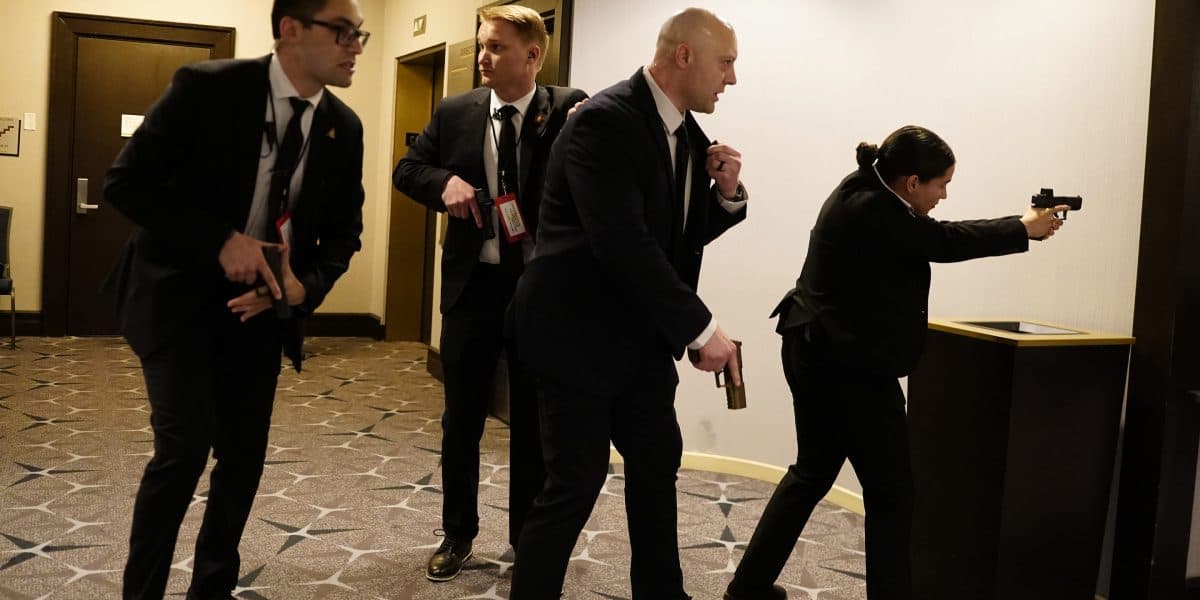
A recent security incident at a Trump administration event has reignited conversations about protective measures for top government officials and, by extension, corporate leadership security. According to reporting from Fortune, members of the presidential line of succession were present during the shooting, prompting immediate questions about whether current security protocols are sufficient to protect the nation's highest-ranking officials.
The Attorney General's statement that 'the system worked' reflects confidence in existing security infrastructure, noting that law enforcement and Secret Service personnel were able to contain the threat before it breached the inner perimeter. However, the incident itself—that a gunman was able to get as close as he did—has sparked debate among security experts and government officials about gaps in current procedures.
For Atlanta's business community, this incident serves as a sobering reminder of the importance of robust security planning and business continuity protocols. Corporate leaders, particularly those in high-profile industries or sensitive sectors, should evaluate their own emergency response systems and ensure their organizations have clear succession planning and crisis management procedures in place.
As companies across Atlanta continue to navigate an increasingly complex threat landscape, the lessons from this incident underscore why board-level attention to security infrastructure and disaster preparedness is not merely a compliance matter—it's a fundamental aspect of protecting shareholder value and ensuring organizational resilience.