Photo via Fox5 Atlanta
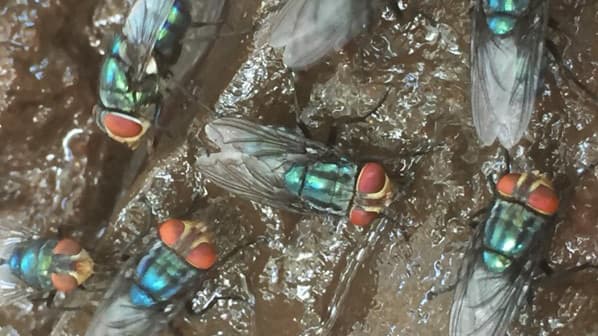
The U.S. Department of Agriculture has issued a warning following the detection of screwworms on livestock just 25 miles from the U.S.-Mexico border, according to Fox5 Atlanta. The parasitic pest, discovered on a goat, signals a potential risk to domestic herds across the country, including those throughout Georgia and the broader Southeast region.
For Georgia's agriculture sector—a $75 billion industry that includes significant cattle and livestock operations—this development carries real implications. Screwworms are highly destructive parasites that infest open wounds on animals, causing severe tissue damage and potentially fatal infections if left untreated. The proximity of the outbreak to U.S. territory suggests the risk of further spread northward.
The USDA's alert underscores the vulnerability of American livestock to transborder pest pressures and the importance of robust biosecurity protocols. Georgia livestock producers and veterinarians are being advised to monitor their herds closely and report any suspicious symptoms, as early detection remains critical to containment efforts.
This incident highlights the interconnected nature of agricultural supply chains and the need for vigilance across state lines. Local agricultural organizations and the Georgia Department of Agriculture are expected to provide additional guidance to producers on prevention measures and reporting procedures in the coming weeks.