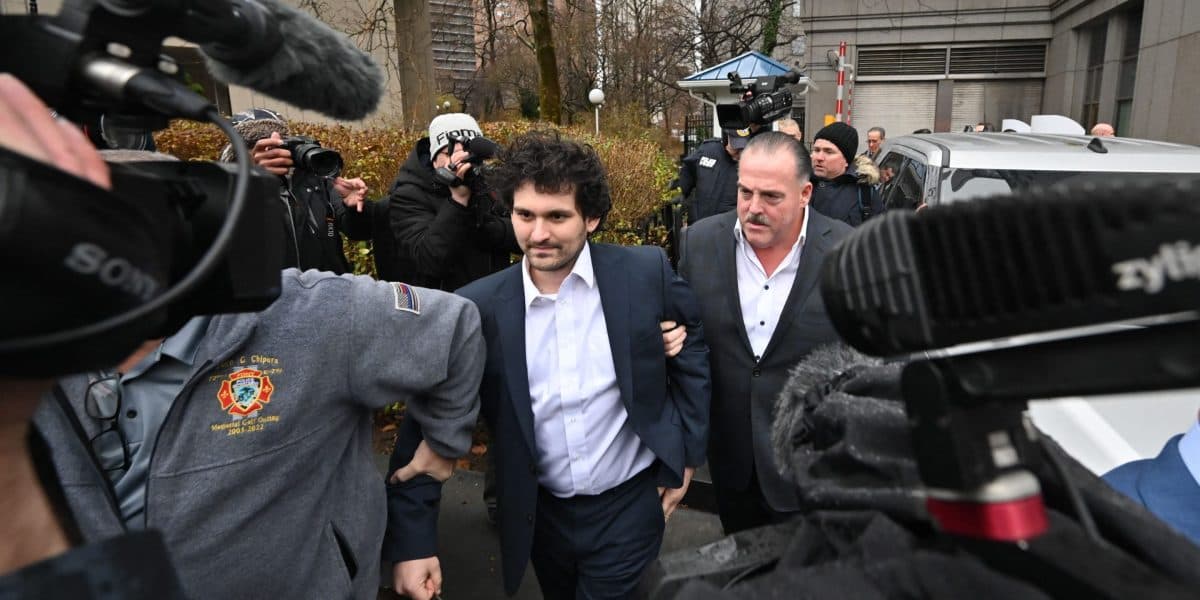
Photo via Fortune
The guilty verdict against Sam Bankman-Fried marks a watershed moment for the venture capital industry and startup founders everywhere—including those in Atlanta's thriving tech scene. According to Fortune, SBF's massive fraud was fundamentally enabled by venture capital dollars that flowed without adequate scrutiny or governance safeguards. The case underscores how rapid growth and investor enthusiasm can obscure ethical red flags, a cautionary tale for Atlanta entrepreneurs seeking funding.
For Atlanta-based startup founders and their investors, the Bankman-Fried case serves as a stark reminder that venture funding comes with accountability. The scale of the fraud—built on what appeared to be a legitimate cryptocurrency exchange—demonstrates how sophisticated fraudsters can exploit the speed and optimism that characterize venture-backed growth. Local business leaders must ensure their organizations maintain transparent financial controls and board oversight, regardless of how flush with capital they may be.
The verdict also raises questions about investor due diligence practices. Atlanta venture capital firms and angel investors who back early-stage companies should view this case as a catalyst for strengthening governance requirements and financial audits before capital deployment. The lack of proper checks enabled Bankman-Fried to operate with impunity; stronger institutional practices could have potentially prevented years of fraud.
As Atlanta continues to build its reputation as a growing tech and startup hub, this moment demands that founders, investors, and board members recommit to ethical business practices. The consequences of unchecked ambition and inadequate oversight extend far beyond individual companies—they damage trust in entire industries. Building sustainable enterprises requires more than venture capital; it requires integrity.