Photo via Inc.
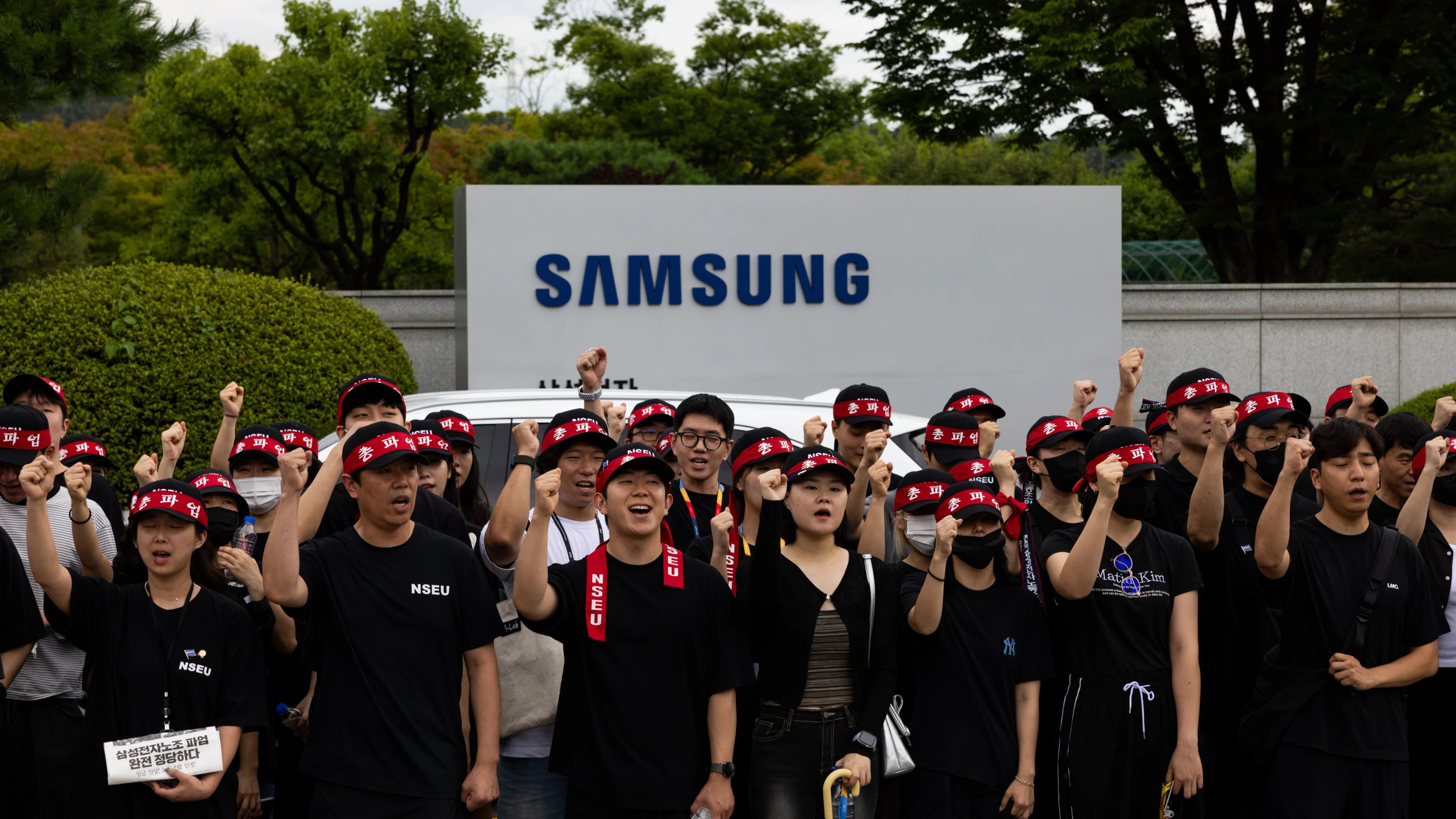
Samsung workers are signaling a major labor action that could have ripple effects across the global technology supply chain, particularly for memory chips essential to artificial intelligence systems. According to Inc., the threatened strike targets Samsung's massive memory business, which produces the semiconductors that power everything from data centers to consumer devices. For Atlanta's growing tech ecosystem—including the region's expanding AI research and cloud computing operations—any disruption to Samsung's output could create significant sourcing challenges.
The memory chip market represents billions in annual revenue for Samsung, and any prolonged work stoppage would likely create acute shortages in DRAM and NAND flash memory. These components are foundational to the infrastructure supporting the AI boom that has become increasingly central to Atlanta's tech economy. Companies across the Southeast relying on consistent chip supplies for their AI operations and data center expansions could face project delays and cost increases if Samsung's production falters.
This labor dispute underscores a broader vulnerability in the semiconductor supply chain that has already proven fragile in recent years. Georgia's technology sector, which has attracted major investments in cloud computing and AI development, is particularly exposed to global manufacturing disruptions. The potential strike highlights the importance of supply chain diversification for Atlanta-area tech companies and their partners.
As the labor situation develops, regional technology leaders and manufacturers should monitor Samsung's negotiations closely. Industry experts suggest that any extended work action could accelerate efforts to secure alternative suppliers or build inventory buffers—considerations that Atlanta companies planning AI infrastructure investments should weigh carefully in their procurement strategies.