Photo via Fox5 Atlanta
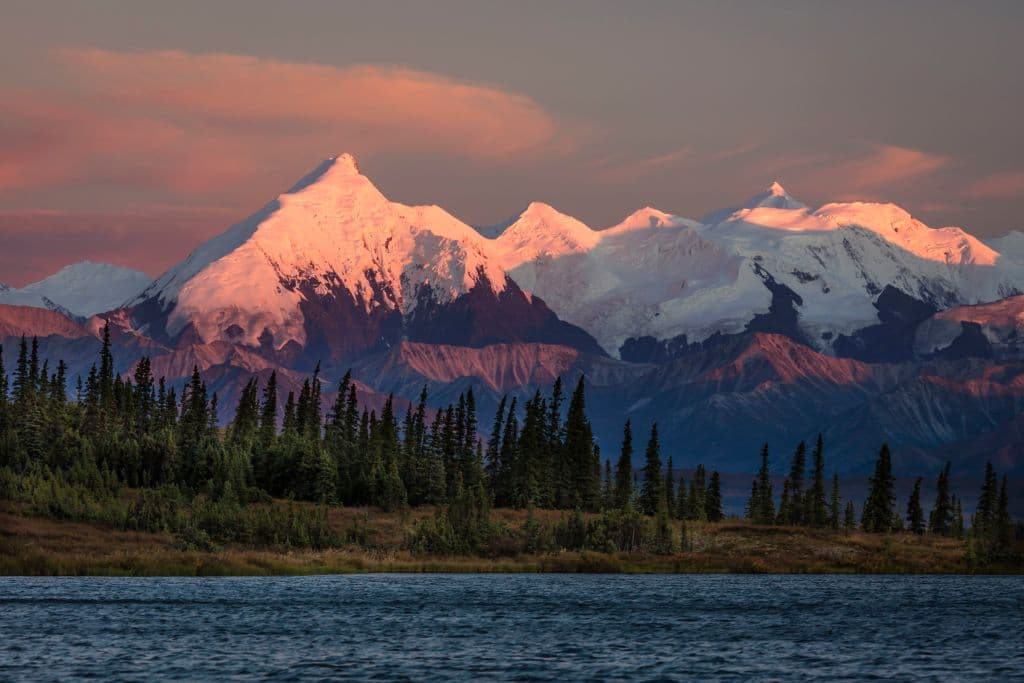
A tragic mountaineering incident on Alaska's Mount McKinley has claimed three lives from a Latvian expedition team, according to Fox5 Atlanta. The climbers fell near Denali Pass, one of the most treacherous sections of North America's highest peak, which stands at 20,310 feet. One team member was rescued, marking a stark reminder of the inherent dangers present in extreme altitude climbing operations.
For Atlanta-based companies operating in high-risk industries—from construction to energy exploration—this incident underscores the critical importance of robust safety protocols and emergency response planning. Organizations managing teams in challenging environments must invest in comprehensive training, equipment standards, and contingency procedures to protect their workforce.
The rescue operation itself demonstrates the complexity of emergency response in remote locations. Coordinating search and rescue efforts at extreme altitudes requires specialized expertise, equipment, and coordination between multiple agencies. Businesses with operations in remote or hazardous environments should review their emergency preparedness plans and ensure staff have access to adequate safety resources.
This tragedy serves as a sobering case study for Atlanta business leaders overseeing high-risk operations. Whether in mountaineering, oil and gas, construction, or other industries, the focus must remain on implementing industry-leading safety standards, regular training updates, and fostering a culture where risk assessment and employee protection are non-negotiable priorities.