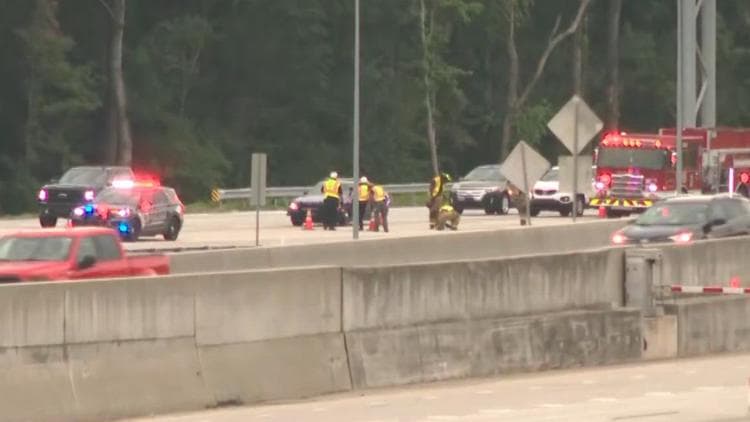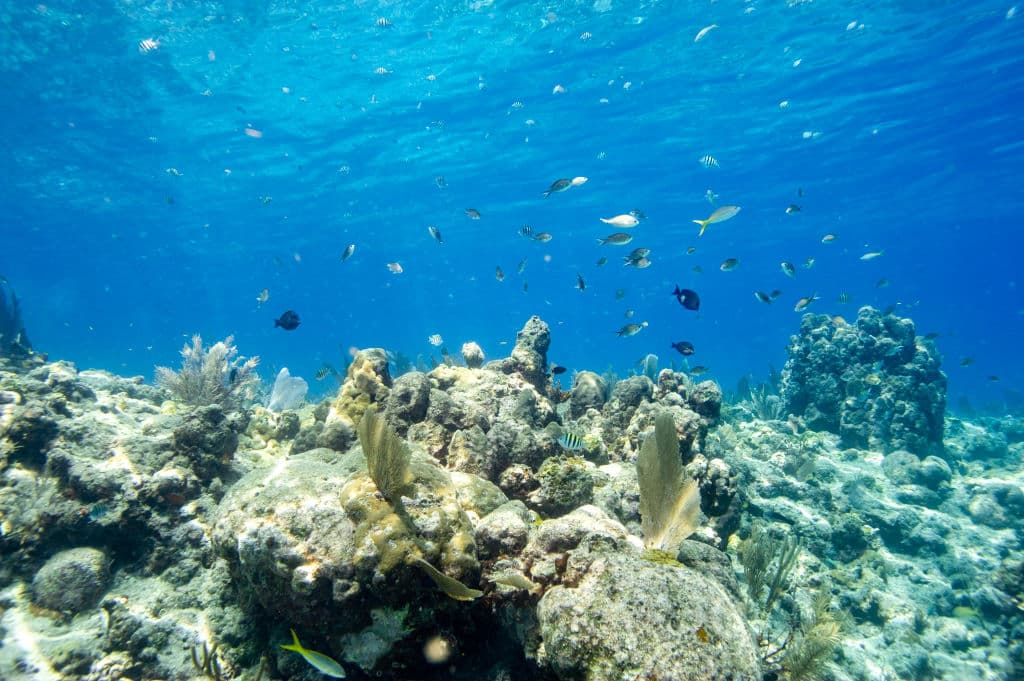
Photo via Fox5 Atlanta
A 63-year-old visitor from Mississippi died after becoming unresponsive during a snorkeling excursion near Mule Key off the coast of Key West, according to Fox5 Atlanta. The incident underscores persistent safety concerns within the recreational diving and water sports tourism industry that generates substantial revenue for Florida coastal communities and draws visitors from across the Southeast, including the Atlanta region.
Water-based adventure tourism remains a cornerstone of Florida's economy, attracting thousands of visitors annually to destinations like Key West. However, incidents such as this fatality raise important questions about operator safety protocols, participant health screening, and emergency response procedures that tour companies must implement to protect guests and minimize liability.
For Atlanta-area travel operators and tourism companies that book or recommend water activities at coastal destinations, these incidents serve as reminders of the importance of partnering with vetted vendors who maintain rigorous safety standards, comprehensive insurance coverage, and trained emergency personnel on-site.
Industry experts and regulatory bodies continue to examine best practices for adventure tourism safety. Operators who prioritize transparent safety communications, thorough participant health assessments, and staff training typically experience better outcomes and stronger customer confidence—factors that directly influence their competitive positioning and long-term viability in an increasingly scrutinized market.