Photo via TechCrunch
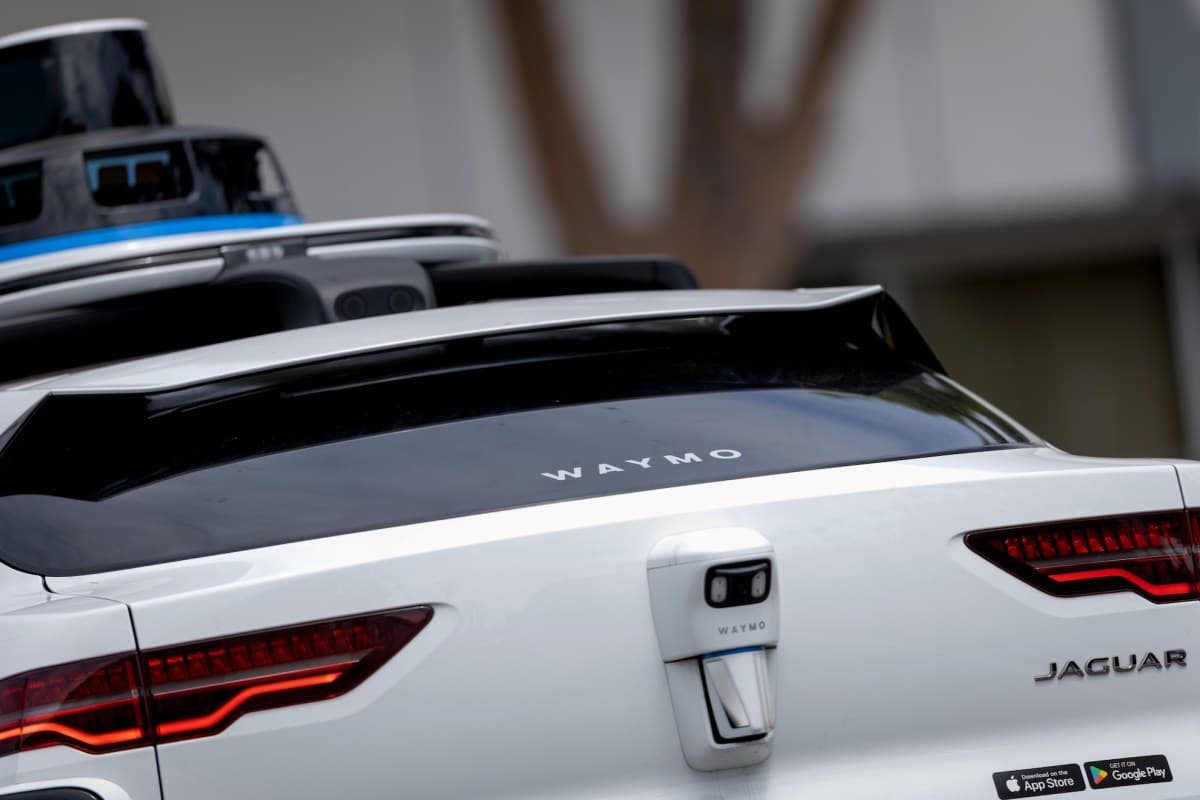
The robotaxi industry is experiencing a reality check after years of optimistic projections. According to TechCrunch, several autonomous vehicle operators are reassessing their deployment timelines and technological capabilities, signaling that widespread adoption may be further away than previously anticipated. For Atlanta's business community—particularly those in transportation, logistics, and real estate—understanding this shift is critical for strategic planning.
Atlanta has emerged as a testing ground for mobility innovation, with companies exploring autonomous solutions across the region. However, the current slowdown in robotaxi expansion suggests local businesses should remain cautious about over-committing resources to autonomous vehicle infrastructure. The setbacks highlight ongoing challenges in vehicle safety, regulatory approval, and operational scalability that even well-funded companies continue to face.
This recalibration presents both risks and opportunities for Atlanta-based enterprises. Companies in the logistics and delivery sectors should monitor robotaxi development closely but maintain realistic expectations about integration timelines. Meanwhile, commercial real estate and urban planning initiatives should account for a more gradual transition to autonomous transportation rather than rapid wholesale adoption.
Business leaders in Atlanta should view this period as an opportunity to engage thoughtfully with autonomous vehicle technology rather than rush into partnerships. The prolonged development timeline provides runway for regulatory frameworks to mature and for companies to identify genuine applications where robotaxis create measurable value. Those who invest strategically now, rather than chasing hype, will likely position themselves more favorably when the technology reaches genuine commercial viability.