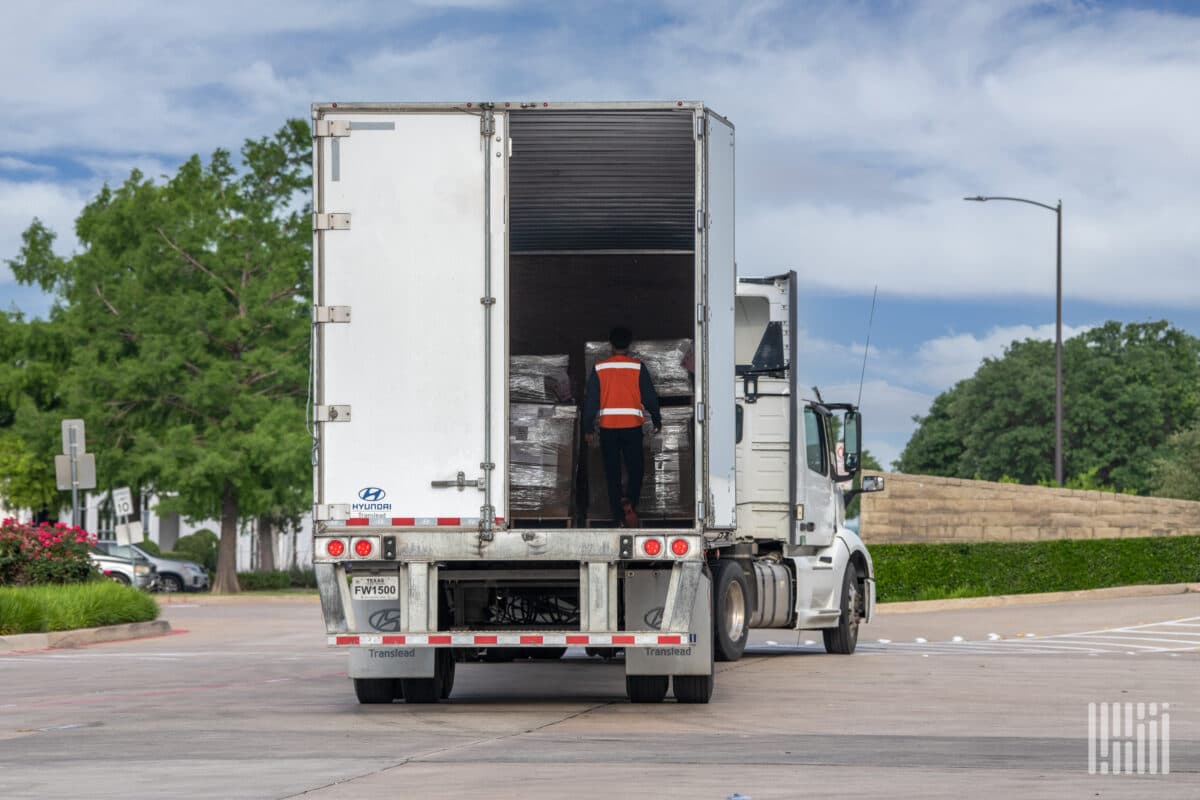
Photo via FreightWaves
According to FreightWaves, mid-2026 spot rates in the trucking industry are approximately 15% higher than a year prior, marking the strongest year-over-year performance since early 2022. Individual loads that commanded $2,200 in the prior year are now fetching $2,500 to $2,600—a substantial nominal gain that appears promising on the surface. However, industry observers warn that operators should examine the full financial picture before concluding that higher rates automatically translate to improved profitability.
The disconnect between rising rates and cash availability represents a common operational challenge in freight markets. While per-load revenue has increased, operators may face simultaneous pressures from operational costs, fuel expenses, labor rates, and working capital requirements that can offset rate gains. The lag between invoice issuance and payment collection can further strain liquidity, particularly for smaller carriers managing fleet operations without significant financial reserves.
Understanding the true economics of higher rates requires operators to evaluate underlying cost structures and payment timelines alongside revenue growth. Industry participants should conduct detailed cost-per-mile analyses and cash flow projections to determine whether rate increases meaningfully improve their financial position or simply maintain margins in an inflationary environment.