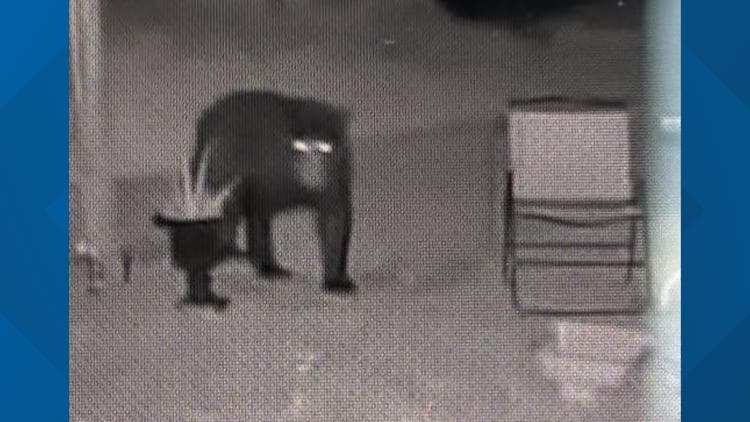
Photo via 11Alive Atlanta
Georgia's black bear population continues to expand into suburban areas surrounding Atlanta, with recent sightings including a 300-pound specimen in Spalding County. According to 11Alive Atlanta, this uptick reflects a broader trend of wildlife migration into developed communities across the state. For Atlanta-area businesses and property owners, particularly those in exurban locations, the trend underscores evolving environmental challenges that can impact operations, employee safety, and liability.
The surge in urban bear encounters raises practical considerations for real estate developers, property managers, and suburban businesses planning expansion into Georgia's outlying regions. Wildlife officials are advising residents to secure trash, remove food sources, and install bear-resistant measures—advice that increasingly applies to commercial properties, warehouses, and distribution centers in areas like Spalding County and surrounding counties. Businesses evaluating real estate in growth corridors should factor in wildlife management and insurance implications as part of site planning.
As Georgia's bear population stabilizes at higher levels, coexistence strategies will likely become standard in suburban development. Atlanta-area companies in logistics, retail, and light manufacturing should monitor local wildlife guidance and adjust property security protocols accordingly. Officials continue urging caution and awareness, signaling that wildlife management will remain a consideration for business owners and developers navigating Georgia's expanding metropolitan footprint.