Photo via Inc.
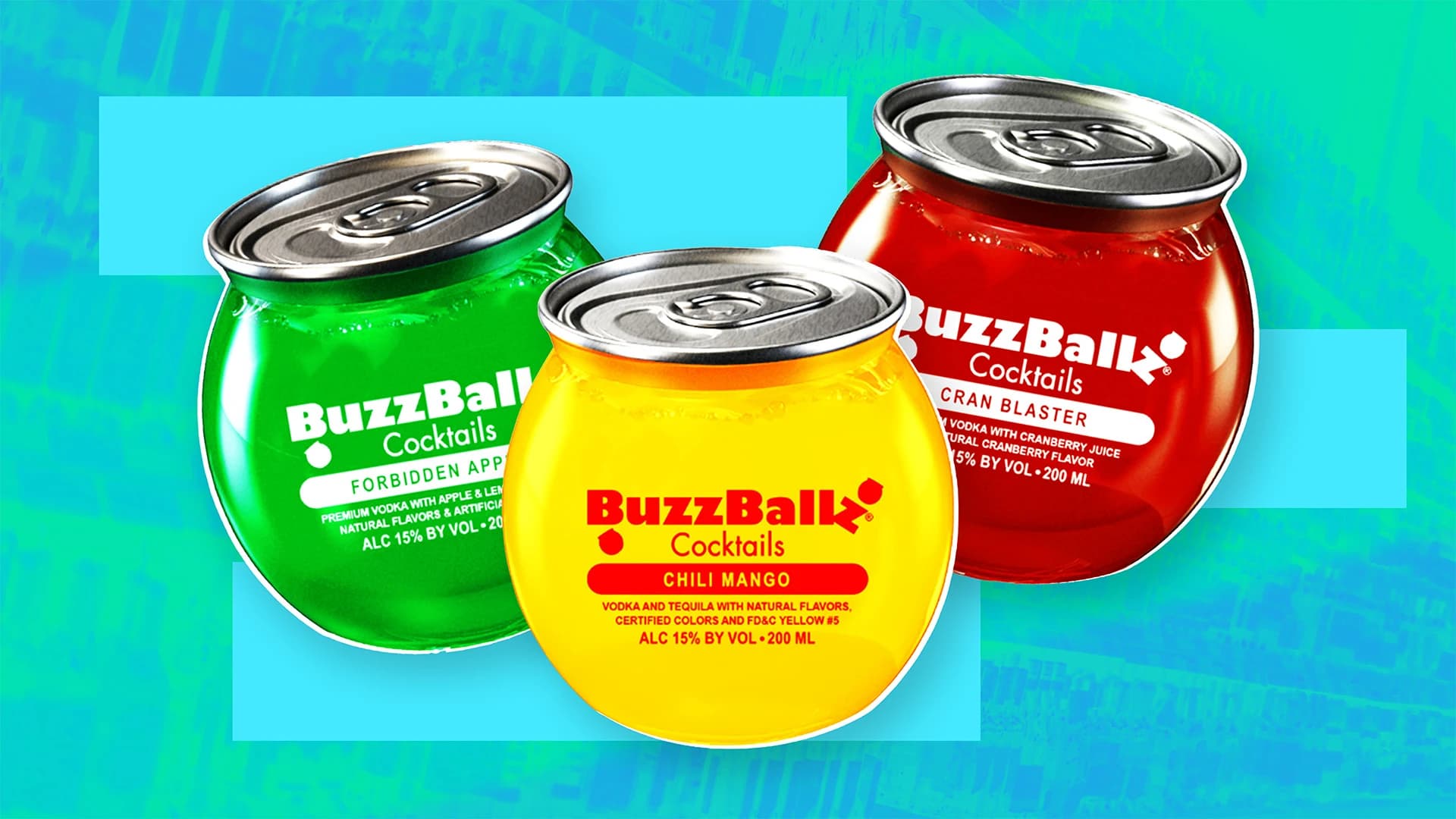
The ready-to-drink cocktail segment is experiencing remarkable growth, with one leading brand now commanding over 20% of the U.S. premixed cocktail market. The brand's $569 million in annual sales represents a significant shift in how Americans consume spirits, particularly among younger demographics. For Atlanta's beverage distributors, retailers, and hospitality venues, this trend signals both opportunity and competitive pressure as traditional bar models face disruption from convenient, pre-packaged alternatives.
Generation Z's embrace of RTD cocktails reflects broader preferences for convenience, portability, and consumer choice. According to industry reporting, younger consumers prioritize ready-to-consume products that fit active lifestyles—whether at outdoor events, beaches, or home gatherings. This shift has implications for Atlanta's restaurant and bar operators, who must now compete not just with each other, but with retail channels offering shelf-stable cocktails at lower price points.
For Atlanta-based beverage companies and distributors, the RTD cocktail boom presents a supply chain and inventory challenge. As demand concentrates among fewer dominant brands, smaller regional players and craft producers must decide whether to develop competing products, partner with larger manufacturers, or focus on differentiated market segments. The consolidation of market share in one brand also raises questions about retail shelf space allocation and vendor relationships across Georgia.
The market dynamics reflect fundamental changes in consumer behavior that extend beyond cocktails. As Atlanta continues positioning itself as a hub for food and beverage innovation, local entrepreneurs and established firms should monitor how RTD dominance affects the broader spirits industry, on-premise venues, and emerging categories. Understanding these shifts will be essential for retailers, hospitality operators, and suppliers navigating the next phase of beverage market evolution.