Photo via FreightWaves
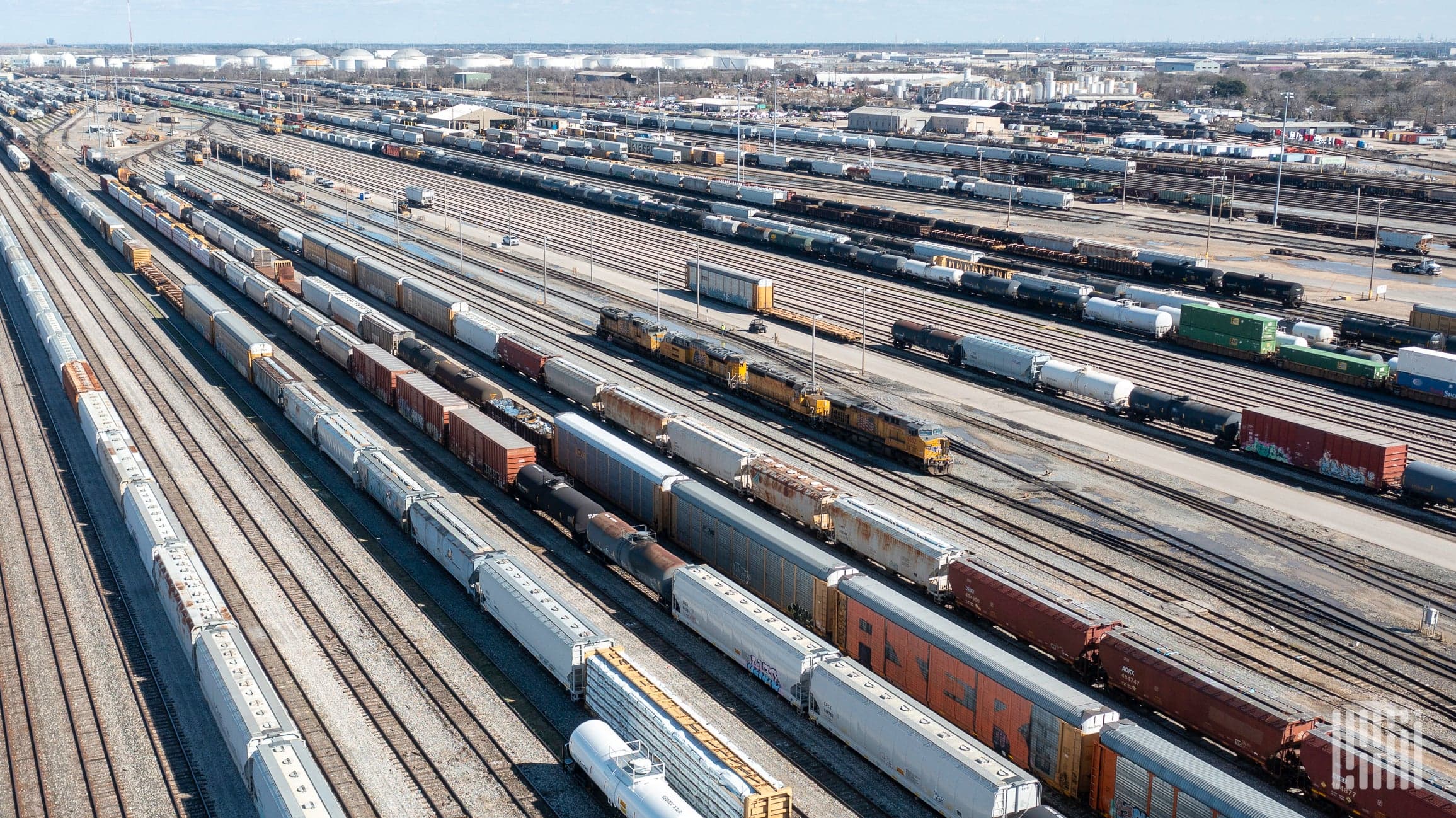
The nation's freight rail network is experiencing a notable acceleration, driven largely by surging intermodal traffic that combines truck and rail transportation. According to FreightWaves, this category is posting double-digit growth rates as industrial output strengthens across the country. For Atlanta-area logistics companies, this trend underscores the importance of integrated freight solutions that leverage both rail and trucking capabilities.
Intermodal transportation—which moves containers and trailers across rail and truck networks—has become an increasingly vital component of the supply chain. The growth reflects broader economic recovery and renewed confidence in domestic manufacturing and distribution. Atlanta's position as a major Southeast logistics hub positions the region to capitalize on this expansion, particularly given its proximity to major rail corridors and ports.
The surge in rail freight comes amid improved industrial production metrics, suggesting that manufacturing demand is outpacing pandemic-era lows and driving logistics activity. This recovery is creating opportunities for freight companies, third-party logistics providers, and distribution centers throughout Georgia. Local businesses reliant on efficient freight movement—from retail distributors to manufacturers—benefit directly from a more robust rail-truck network.
Industry observers expect this momentum to continue as supply chains normalize and companies optimize their transportation strategies. Atlanta-based logistics firms and freight forwarders should monitor these trends closely, as they signal robust demand for services that efficiently coordinate rail and truck movements. The convergence of trucking and rail growth may open new opportunities for partnerships and infrastructure investment in the region.