Photo via Fast Company
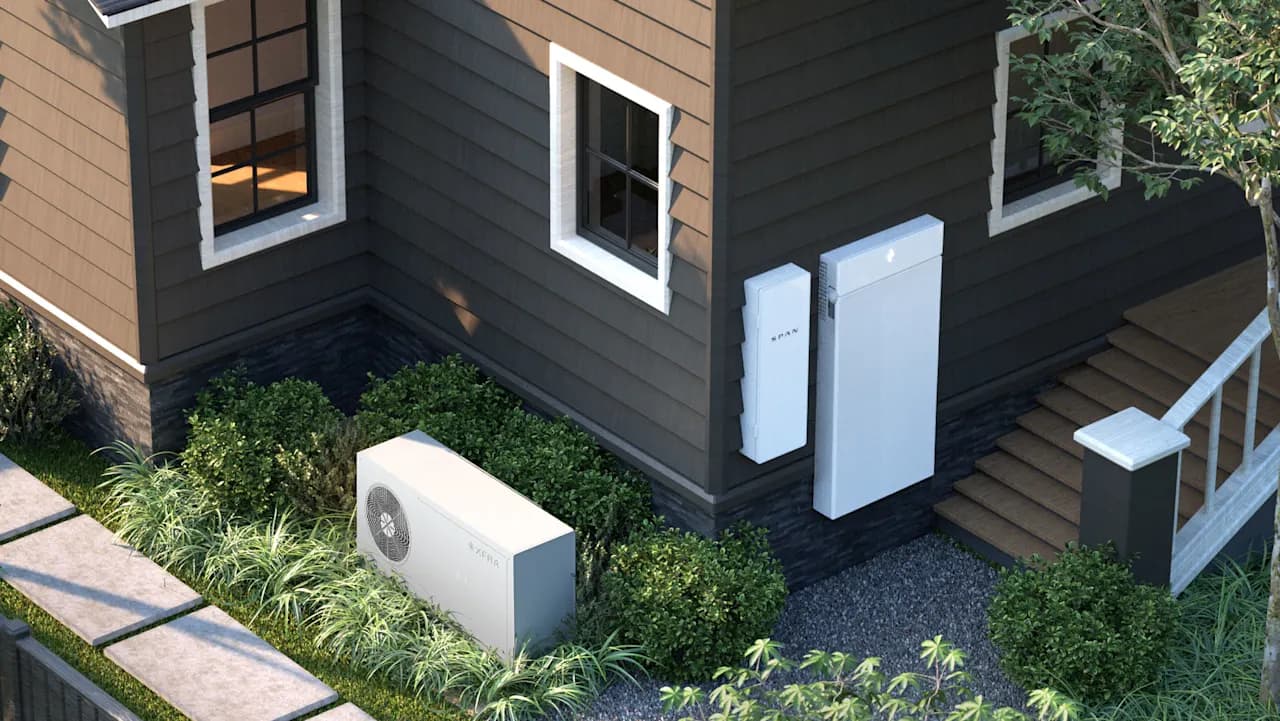
A California smart utility startup named Span, backed by Nvidia's endorsement, is developing a novel approach to expand AI computing capacity by installing mini data centers at residential properties. Rather than requiring costly new central facilities, the concept leverages existing home electrical infrastructure—which typically operates at only 42% capacity—to power GPU-equipped nodes that resemble HVAC units. Each node contains 16 Nvidia GPUs, AMD processors, and advanced cooling systems valued at roughly $500,000 or more. In exchange for hosting these devices, Span compensates homeowners by covering much of their electricity and broadband costs.
Atlanta-based homebuilder Pulte Homes has partnered with Span to integrate these nodes into new residential construction, though deployment remains in early stages. According to reporting, Pulte has installed exactly one unit to date, despite the broader collaboration. Span claims it will deploy over 100 advanced prototype nodes in a pilot program later this year, though the company has not disclosed specific locations or timelines. The initiative represents an emerging market response to the nationwide bottleneck limiting AI infrastructure expansion: not capital or chip availability, but grid capacity and the political resistance that accompanies traditional data center development.
The distributed model presents intriguing advantages for Atlanta's tech economy and broader regional development. By distributing computing power across multiple residential locations rather than concentrating it in large facilities, the approach could reduce permitting friction and infrastructure strain. Additionally, processing power positioned closer to end users may improve latency for AI applications and chatbot services. However, significant uncertainties remain. Span has conducted internal technical studies but has yet to operate these nodes at scale in real-world conditions, leaving questions about reliability, security, and actual performance with demanding AI workloads.
Industry observers raise legitimate concerns about who ultimately bears the costs. While Span subsidizes participating homeowners' utilities, the distributed draw on local grids could strain transformers and infrastructure across neighborhoods, potentially raising electricity costs for non-participating residents. Span leadership contends the model will reduce overall grid strain by obviating the need for expensive new central data center infrastructure. As this unproven concept develops, Georgia's growing role in both residential construction and technology innovation positions the state to observe whether distributed computing can meaningfully address the nation's escalating AI infrastructure demands.