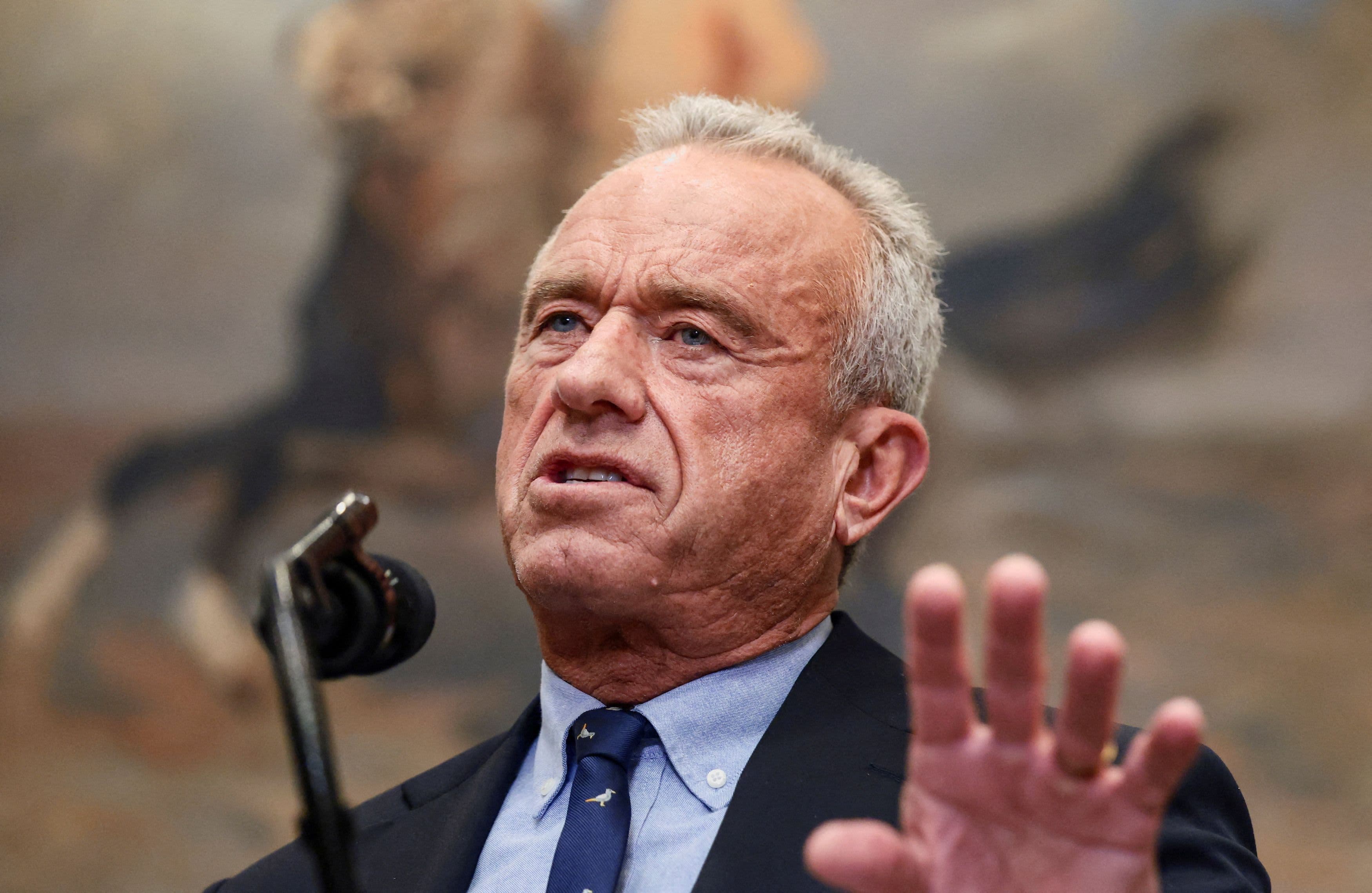
Photo via CNBC Business
Robert F. Kennedy Jr. has indicated support for potential legislation that would restrict television advertising of foods deemed unhealthy or high in sugar and processed ingredients. According to CNBC Business, such a policy proposal represents a significant intervention in how major food manufacturers market their products to consumers, particularly during programming targeting children.
The food and beverage industry would likely mount substantial opposition to any advertising restrictions. Major manufacturers have long relied on television as a primary marketing channel, and a comprehensive ban would force companies to reevaluate their promotional strategies and potentially redirect billions in advertising spending. Atlanta-based companies with significant consumer packaged goods divisions would face particular pressure to adapt their marketing approaches.
Georgia's food and beverage sector, which includes major regional players and operations supporting national distribution networks, could experience ripple effects from such regulatory action. Marketing restrictions could accelerate the shift toward digital advertising channels and influence product development strategies as companies respond to changing consumer preferences shaped by health-focused messaging.
While any advertising ban would face intense industry opposition and substantial legal challenges, the proposal reflects growing national conversations about nutrition, public health, and corporate responsibility. Atlanta business leaders in the food, retail, and advertising sectors should monitor this policy discussion closely, as regulatory changes could reshape competitive dynamics and marketing investment priorities across the region's business landscape.