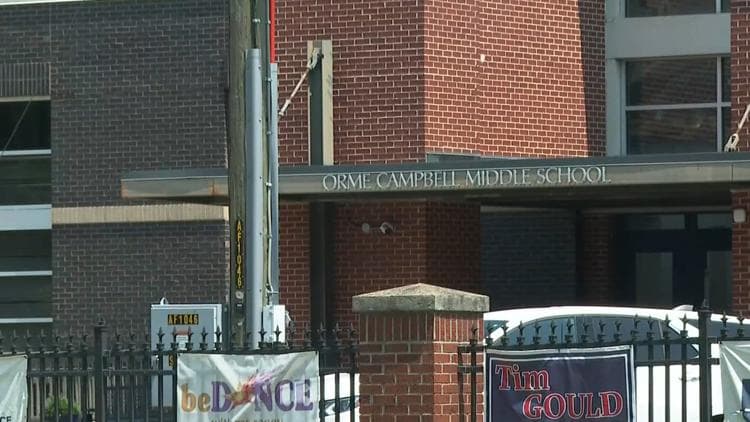
Photo via Fortune
Political uncertainty in neighboring Texas is sending ripples through regional business circles. According to Fortune, a contentious U.S. Senate race has drawn record-breaking campaign spending, signaling intensifying partisan divisions that could affect corporate policy decisions across the Southeast. For Atlanta-area executives monitoring federal regulatory environments and trade policies, these political shifts in major economic hubs warrant close attention.
The race underscores broader tensions within the Republican establishment that have implications for business-friendly policies. When national political figures distance themselves from traditional party members, it can create unpredictability around tax policy, workforce regulations, and interstate commerce—issues that directly impact companies operating across state lines, including many Atlanta-based corporations with Texas operations.
Georgia's own recent political history demonstrates how Senate races can influence state-level business climate perceptions. Companies considering headquarters relocations or expansion sites increasingly factor in political stability and regulatory predictability. The polarization evident in neighboring states may prompt some firms to evaluate whether Southeast markets like Atlanta offer more stable long-term operating conditions.
For Atlanta business leaders, the takeaway is clear: staying informed about political developments in major regional economic centers helps inform strategic planning. Whether monitoring tax policy changes, labor regulations, or trade initiatives, the political landscape in Texas and beyond shapes the competitive environment for Southeast businesses seeking growth and stability.