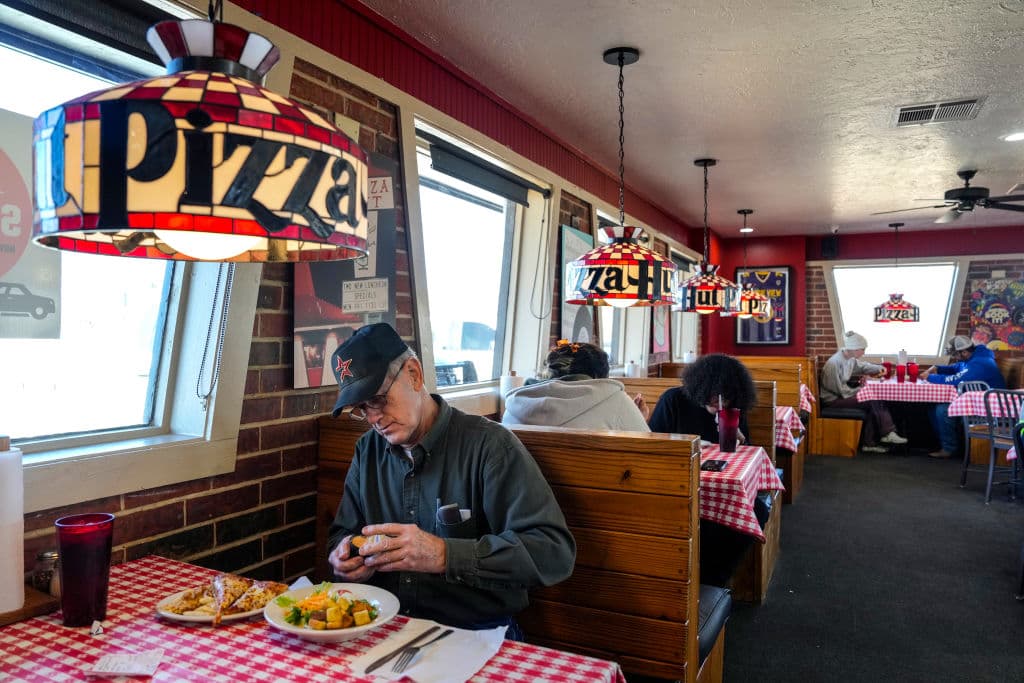
Photo via Fox5 Atlanta
Pizza Hut is embracing its heritage by reintroducing the aesthetic of its golden era—the 1980s and 1990s—across restaurant locations throughout Georgia and beyond. According to Fox 5 Atlanta, the chain is implementing this retro design strategy as part of a broader effort to differentiate itself in an increasingly competitive casual dining market.
The move reflects a broader trend among established restaurant chains to leverage nostalgia as a customer engagement tool. By recreating the dining environments that defined their peak years, brands can appeal to both longtime patrons seeking familiarity and younger consumers drawn to vintage design aesthetics. For Atlanta's robust restaurant scene, this strategy underscores how established players are adapting to changing consumer preferences.
Georgia's quick-service restaurant industry continues to be a significant economic driver in the region, with the redesign effort potentially boosting foot traffic and dwell time at participating locations. The retro approach may also provide an opportunity for Pizza Hut franchisees in the Atlanta metropolitan area to stand out in local markets saturated with dining options.
As consumer behavior increasingly favors experiences and environment alongside product quality, Pizza Hut's redesign initiative demonstrates how legacy brands are investing in their physical spaces to remain competitive. For Atlanta business observers, this development illustrates the continued importance of in-person retail experiences, even as digital ordering and delivery remain central to modern restaurant operations.