Photo via Inc.
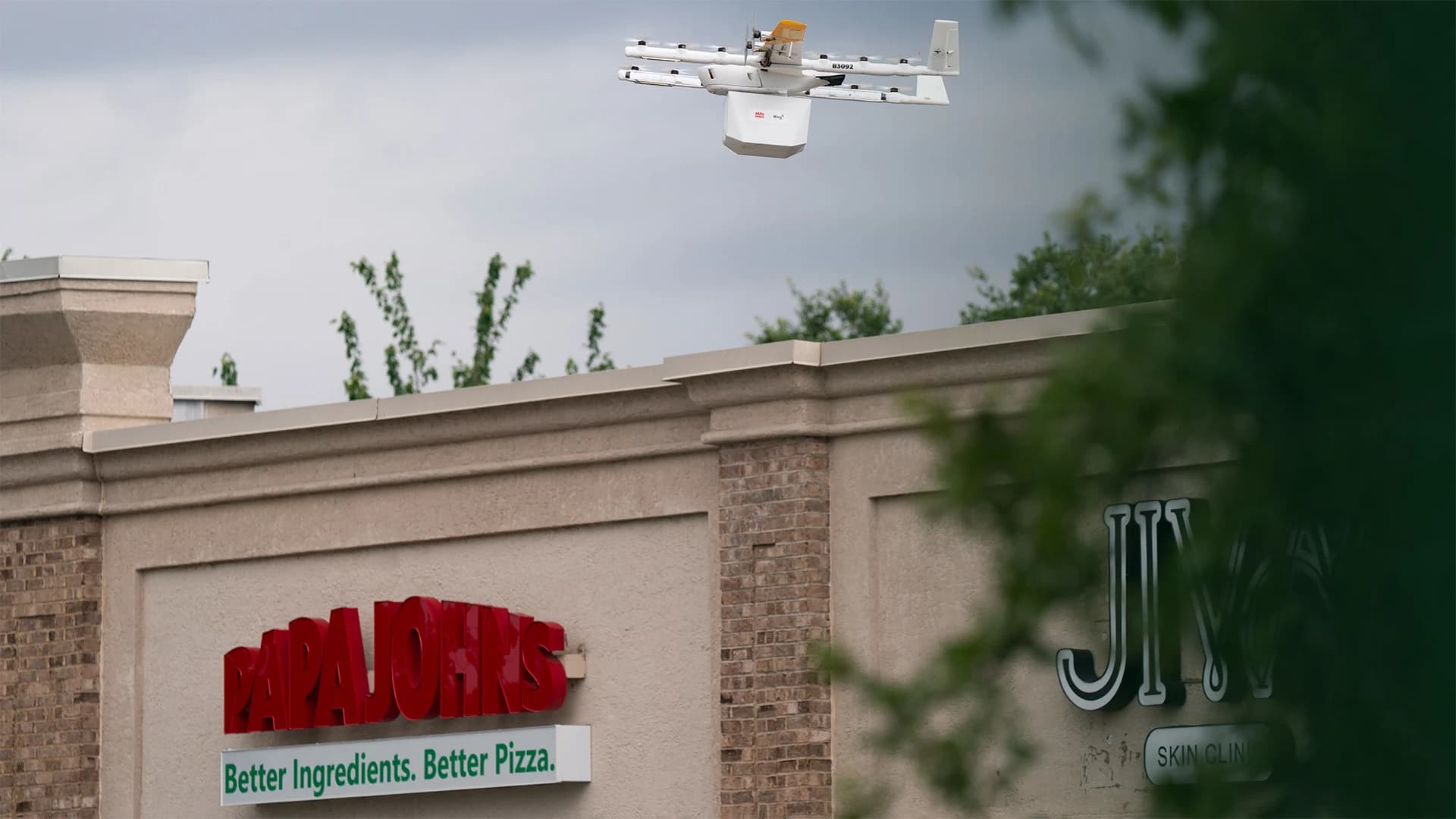
Papa John's has begun testing drone delivery through a partnership with Wing, launching its pilot program this week in Charlotte, North Carolina. According to reports, the initiative represents a significant step toward automating last-mile food delivery—a logistics challenge that has shaped the restaurant industry's competitive landscape over the past decade.
The move underscores how quickly automation is reshaping Atlanta's robust food and beverage sector. As major chains experiment with drone technology, local restaurants and third-party delivery services may soon face pressure to adopt similar innovations or risk falling behind competitors who can offer faster, lower-cost delivery options to customers across the metro area.
Drone delivery technology addresses a persistent pain point in the restaurant industry: delivery costs and speed. By reducing reliance on human drivers, chains can potentially lower operational expenses and improve delivery times—factors that directly impact customer satisfaction and profit margins. For Atlanta-area restaurateurs, this technology could reshape delivery economics and force strategic decisions about partnerships and operational models.
As Wing and other drone operators expand their networks beyond Charlotte, Georgia businesses should monitor how regulatory frameworks develop and where these programs launch next. Early adoption by major national chains could create competitive advantages or disruption within Atlanta's thriving independent and regional restaurant scenes, making this worth watching for local entrepreneurs and investors in the food service space.