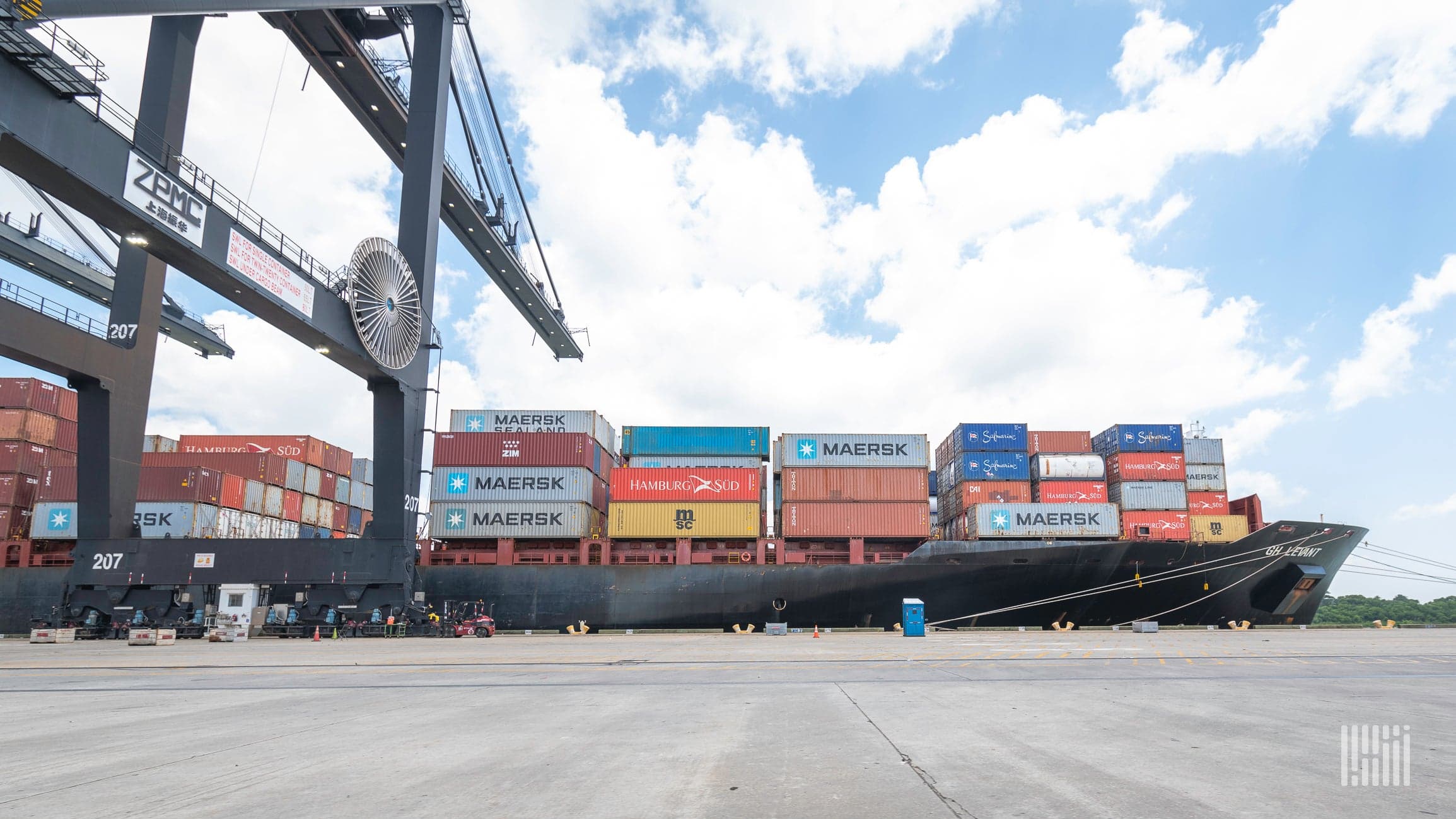
Photo via Fortune
According to Fortune, military strategists have long understood that the mere threat of action can be as effective as the action itself. In contested waters, this principle takes on significant economic implications. The power of suggestion—convincing adversaries that defensive measures are in place, whether or not they actually are—can fundamentally alter behavior and risk calculations without firing a shot. For Atlanta's import-export dependent businesses, understanding these dynamics is critical to supply chain planning.
The psychological dimension of modern conflict extends beyond traditional military considerations into the realm of economic disruption. When key maritime passages face uncertainty about security measures, shipping routes become unpredictable, insurance costs rise, and companies must factor in additional contingencies. According to the source material, even official assurances of safety can be countered with claims that threats remain undetected, perpetuating a cycle of doubt that affects commerce.
Atlanta-based logistics and manufacturing companies with significant overseas operations face real consequences from such geopolitical uncertainty. When critical chokepoints in global trade become contested zones, the cost of doing business increases through longer transit times, elevated insurance premiums, and supply chain diversification efforts. These indirect costs ripple through local economies and corporate bottom lines, making geopolitical risk management essential for forward-thinking business leaders.
For Atlanta business professionals, this situation underscores the importance of scenario planning and diversified sourcing strategies. Companies cannot control international tensions, but they can prepare for multiple contingencies. Developing relationships with alternative suppliers, understanding insurance options, and maintaining adequate inventory buffers have moved from nice-to-have to essential business practices in an era where perception and psychological tactics shape global commerce.