Photo via Inc.
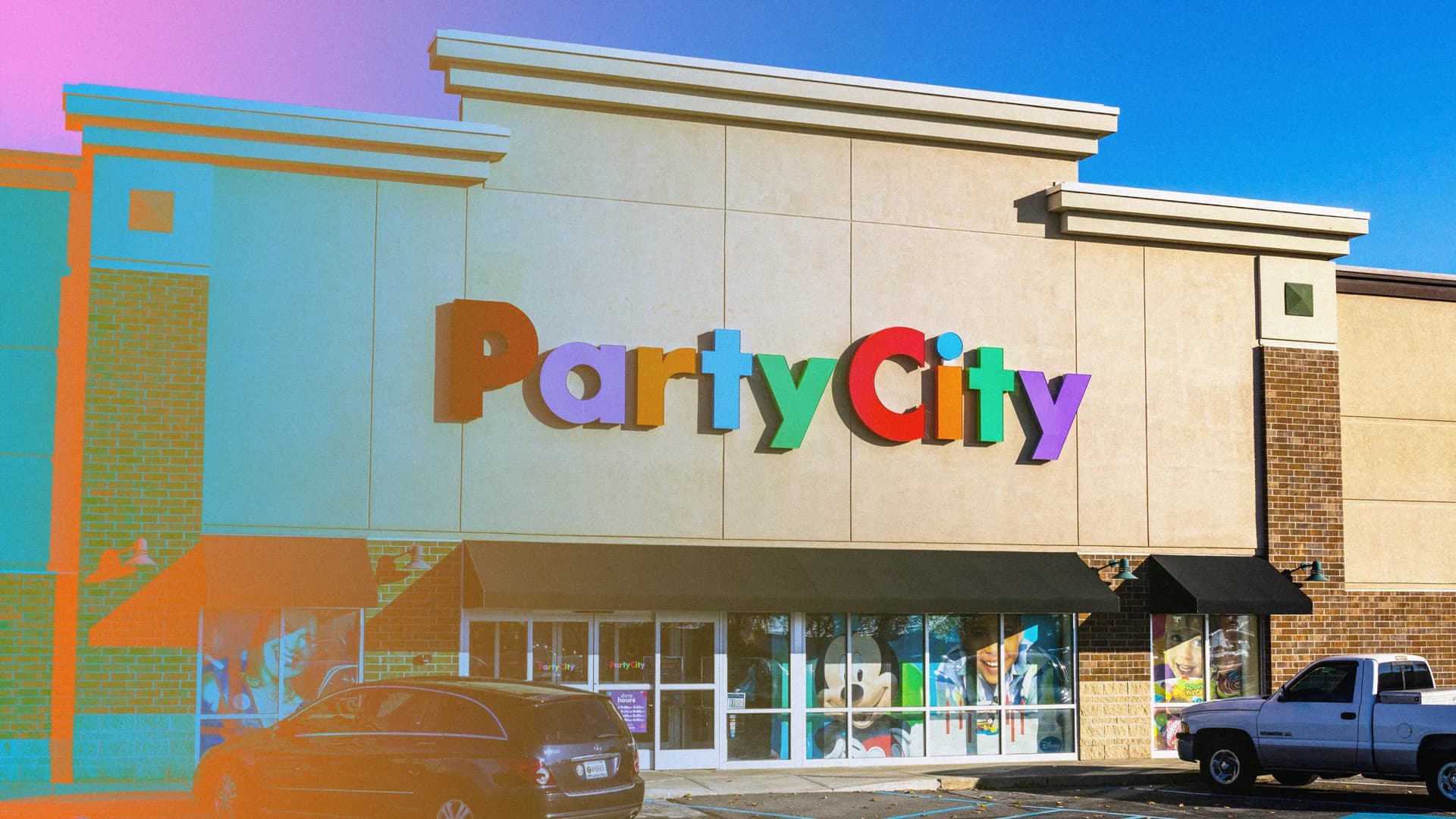
Party City's return marks a significant chapter in the ongoing saga of retail restructuring. After navigating two separate Chapter 11 bankruptcy filings, the company closed all physical locations in 2024, seemingly ending a decades-long presence in American shopping destinations. However, according to Inc., the party supply retailer is now reemerging through an unexpected channel, demonstrating that traditional brick-and-mortar failure doesn't necessarily mean permanent market exit.
The company's resurrection through a non-traditional retail model reflects broader trends affecting the Southeast's retail landscape. Atlanta-area retailers and business leaders have watched numerous national chains struggle with changing consumer habits, supply chain pressures, and shifting spending patterns. Party City's willingness to pivot suggests that established brands with customer recognition may find viable paths forward by abandoning conventional store formats entirely.
For Atlanta's retail community, the Party City case offers cautionary and instructive lessons. The region hosts significant retail corporate headquarters and distribution operations, making it a bellwether for national retail health. When major chains fail twice in succession before restructuring, it underscores the importance of operational agility and customer adaptation—particularly for businesses reliant on discretionary spending categories like party supplies.
As Party City establishes itself in this unexpected new format, investors and competitors will closely monitor whether the brand can rebuild customer loyalty and profitability outside traditional retail. The outcome could influence how other struggling regional and national retailers approach their own survival strategies in an increasingly digital, consolidated marketplace.